Dental Care Tips for Livestock and Pets in Greenfield
Dental Care Tips for Livestock and Pets in Greenfield
Caring for the oral health of both your household pets and livestock is a vital part of ensuring their overall well-being and productivity. Whether you are a pet owner managing your dog's dental hygiene or a producer overseeing the health of your herd, understanding the essentials of animal dental care can prevent painful conditions and improve quality of life. At Town & Country Animal Hospital - Small & Large Animal Care, our team proudly serves Greenfield and surrounding communities, offering comprehensive dental care for dogs, cats, cattle, and more. In this guide, we will explore the signs of dental issues in pets and livestock, discuss why oral health matters, and provide actionable steps for prevention and treatment. Our experienced veterinarians are here to support you, whether you need a routine exam for your cat or a dental evaluation for your cattle.
If you are seeking solutions for animal dental concerns or want to learn more about dental repair and dental care services for pets and livestock, keep reading for expert tips tailored to the needs of your animals.
Recognizing Dental Problems: Signs in Pets and Livestock
Identifying dental issues early can make a significant difference in both companion animals and livestock. The warning signs may look different depending on whether you are caring for a dog, a cat, or a herd of cattle, but paying attention to subtle changes can help prevent more severe health problems down the line.
For pets like dogs and cats, symptoms of dental disease often include persistent bad breath, drooling, difficulty eating, pawing at the mouth, or visible tartar buildup on the teeth. You may also notice red, swollen gums or even reluctance to play with chew toys.
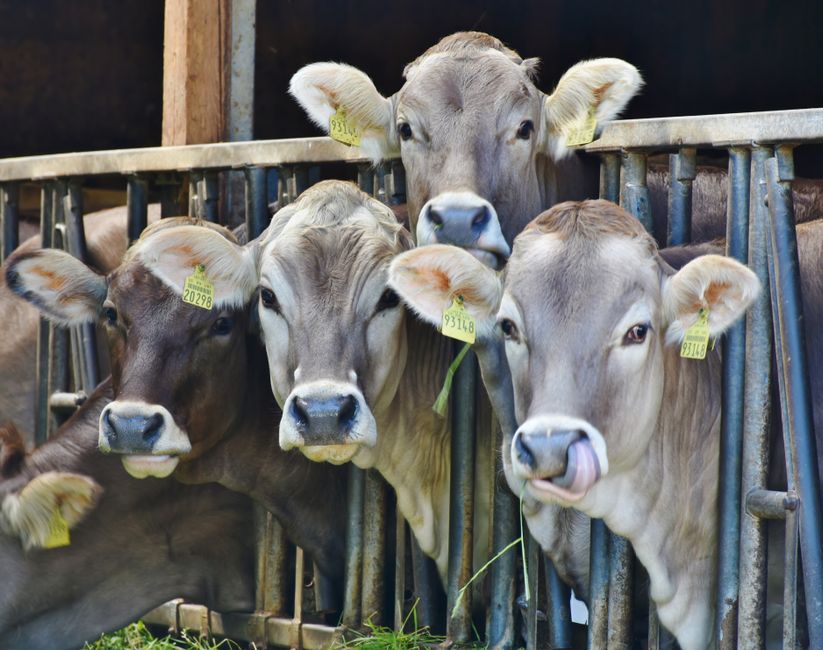
In livestock such as cattle, dental problems are sometimes less obvious but can impact feed efficiency and overall herd health. Key signs in cattle include dropping feed, slow chewing, excessive salivation, weight loss, or swelling along the jaw. Sometimes, producers notice decreased milk production in dairy cattle or a drop in body condition scores during herd checks.
Recognizing these symptoms early is important for timely intervention. Whether you are monitoring your pet at home or observing your livestock during daily chores, staying alert to changes in eating behavior, mouth appearance, or general demeanor can alert you to potential dental issues needing attention.
Understanding the Causes: Why Dental Health Matters
Dental disease can develop for a variety of reasons, and understanding these causes can help guide preventive efforts. In pets, plaque and tartar accumulate just as they do in people. Over time, this buildup leads to inflammation of the gums (gingivitis) and, if left untreated, can progress to periodontal disease. Small breeds of dogs and older cats are often more susceptible, but dental problems can affect any age or breed.
Livestock, on the other hand, face their own unique dental challenges. Cattle, for example, can develop worn teeth from grazing on sandy pastures or consuming rough feed. Broken or infected teeth are not uncommon, especially as animals age. In both beef and dairy operations, dental disease can impact feed conversion and overall productivity, leading to economic loss for the operation.
Environmental factors also play a role. Poor quality feed, lack of dental maintenance, and genetics can all contribute to oral health problems in both pets and livestock. Additionally, certain infectious agents or injuries can complicate matters, making regular evaluation by experienced veterinary professionals essential.
Treatment and Management: Professional Dental Care for All Species
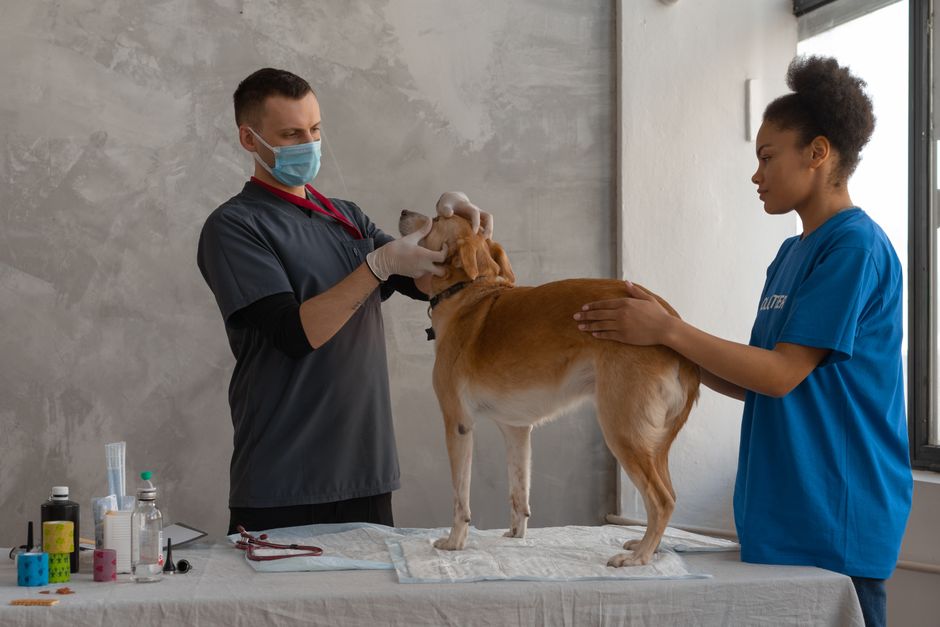
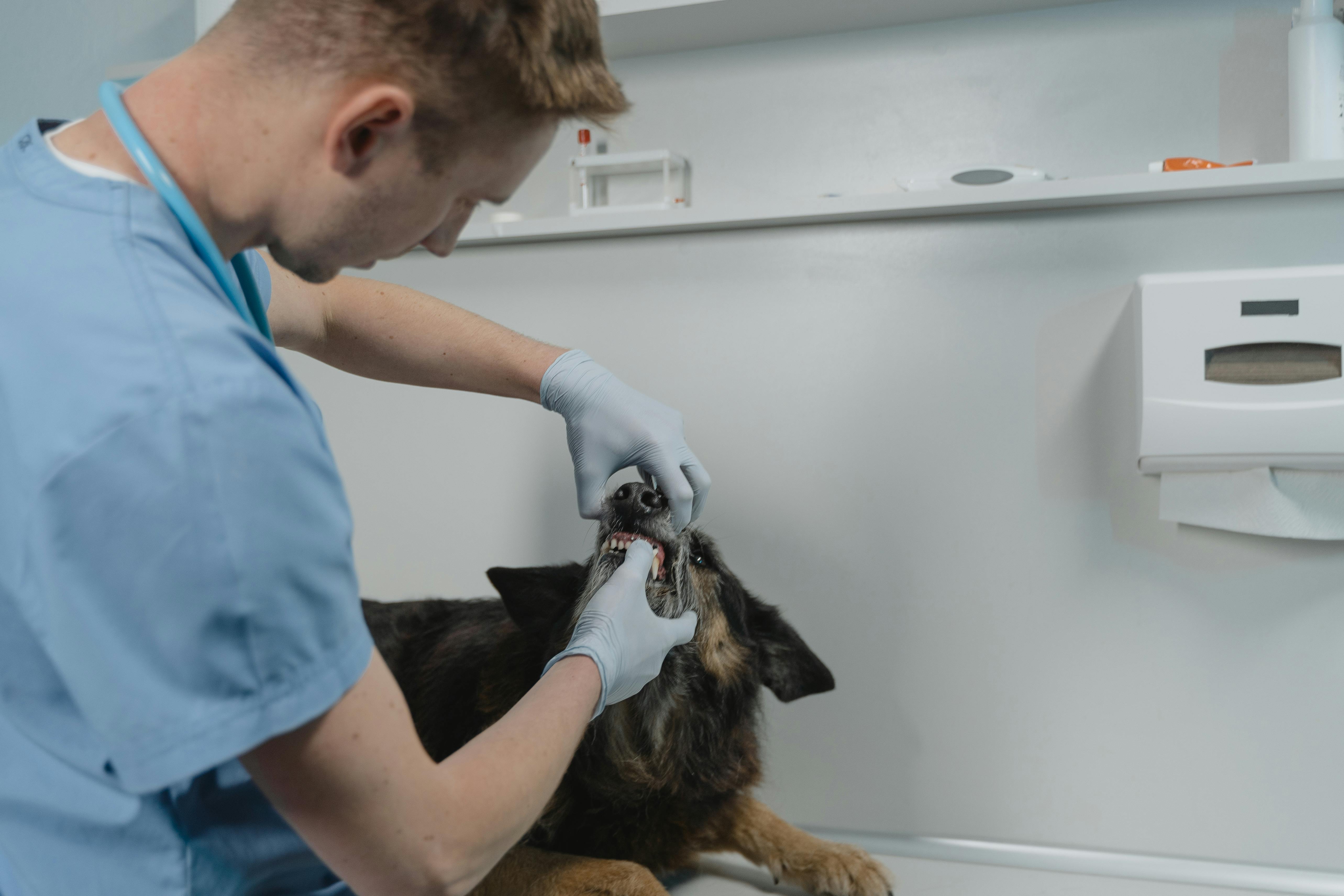
When dental problems arise, professional veterinary care is essential for effective treatment. For companion animals, your veterinarian may recommend a thorough oral examination followed by a dental cleaning under anesthesia. This allows for safe removal of tartar above and below the gumline, assessment for loose or damaged teeth, and treatment of any infections. In cases of severe dental disease, pet tooth extractions and dental removal procedures may be necessary to alleviate pain and restore health.
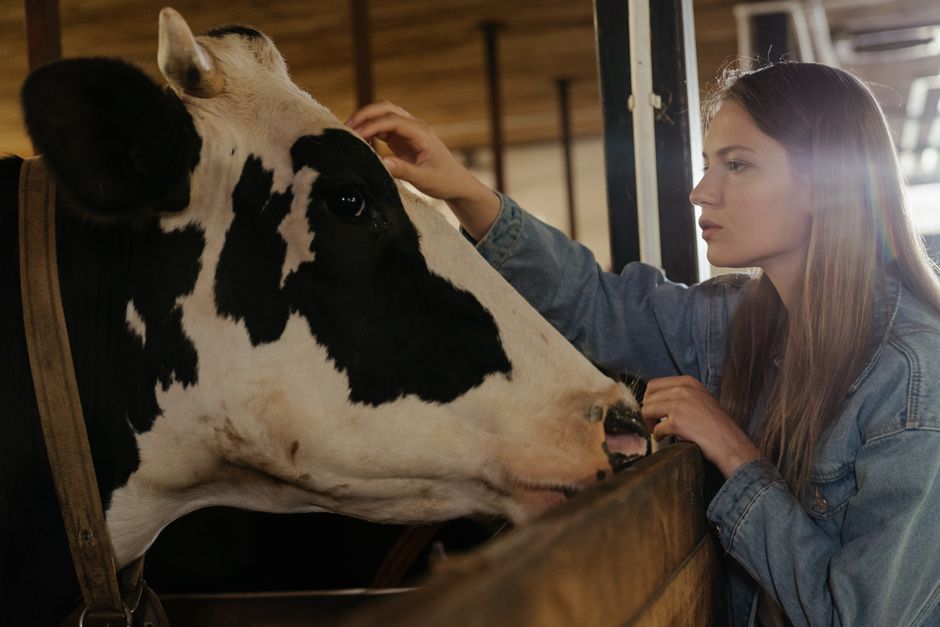
Livestock dental care often involves a hands-on oral exam during routine herd checks. Cattle with broken, infected, or loose teeth may require extraction or other interventions performed by your veterinary team. In addition, managing underlying conditions such as abscesses or jaw injuries can help resolve chronic pain and improve feed intake.
For both pets and livestock, advanced situations may call for pet oral surgery and advanced dental treatment options, especially if oral tumors, severe infections, or jaw abnormalities are detected. Our veterinary professionals are equipped to offer a range of procedures to address the specific needs of your animals, ensuring compassionate and comprehensive care.
Prevention and Home Care: Daily Steps for Better Oral Health
Taking preventive measures can greatly reduce the risk of dental problems in your animals. For pet owners, incorporating regular tooth brushing into your dog's or cat's routine is one of the most effective steps you can take. Using a pet-safe toothbrush and toothpaste, aim for daily cleaning, but even a few times a week can make a difference. Additionally, offering dental chews or toys designed to reduce plaque can support oral hygiene.
Annual or semi-annual veterinary dental cleanings are another key preventive measure. Professional cleanings remove stubborn tartar and allow for early detection of problems before they become severe. You can learn more about professional pet dental cleanings to support oral health and how they fit into your animal's overall wellness plan.
Producers caring for livestock should prioritize good nutrition, access to clean water, and regular herd health evaluations. During these evaluations, your veterinarian can assess the condition of your herd's teeth, check for sharp points or broken teeth, and recommend corrective actions as needed. Adjusting feed to avoid excessively rough or abrasive materials can help prevent premature tooth wear, especially in older animals. For operations with higher risk factors, scheduling more frequent herd health checks can catch problems before they impact production.
When to Seek Veterinary Care: Knowing When Professional Help is Needed
Deciding when to seek veterinary care depends on the severity and type of dental issue observed. For pets, if you notice persistent bad breath, loss of appetite, swelling around the mouth, or visible discomfort, it is time to schedule an appointment with your veterinarian. Delaying care can lead to more serious health problems, including infections that spread beyond the mouth.
In livestock, any signs of difficulty eating, weight loss, unexplained drop in productivity, or visible swelling along the jaw should prompt a call to your veterinary team. Early intervention can minimize the impact on your operation and support the overall health of your herd.
At Town & Country Animal Hospital - Small & Large Animal Care, our experienced veterinary professionals are ready to help with both routine and urgent dental concerns. We encourage you to reach out for guidance if you have questions about your animal's oral health or if you are unsure whether a problem requires professional attention.
Supporting All Your Animals: Local Dental Care Expertise in Greenfield
Whether you are caring for a beloved family dog or managing a productive cattle herd, supporting dental health is a responsibility that pays dividends in comfort, longevity, and overall well-being. By recognizing early signs of problems, understanding the causes, and taking proactive steps, you can make a real difference for your animals this spring and beyond.
If you are searching for a veterinarian near me who truly understands the needs of both pets and livestock, our team is ready to serve you. We invite you to schedule an appointment for a dental evaluation or to discuss preventive care options that fit your animal's lifestyle and your operation's goals. Visit us at 2874 North 400 East, Greenfield, IN 46140 or call (317) 326-1212 to connect with our veterinary professionals.
Your animals deserve the best in oral health, and at Town & Country Animal Hospital - Small & Large Animal Care, we are committed to being your trusted partner for comprehensive dental care in Greenfield and the surrounding communities. For more information or to schedule your next visit, explore our dental repair and dental care services for pets and livestock or reach out to our knowledgeable team today.
This information is intended for educational purposes and should not replace professional veterinary advice. If you have concerns about your animal's health, please consult with your veterinarian promptly.