August Pet Health Tips From Town and Country Vet Clinic
August Pet Health Tips From Town and Country Vet Clinic
August in Greenfield, Indiana means long days, warm weather, and a busy season for both pet owners and livestock producers. At Town & Country Animal Hospital - Small & Large Animal Care, our experienced veterinary team understands that late summer brings unique challenges, whether you are caring for a playful puppy, a curious exotic pet, a herd of cattle, or hardworking horses. From heat stress to hydration, parasite risks, and seasonal injuries, protecting animals in this climate requires thoughtful attention and proactive care. In this guide, the veterinarians at Town & Country Vet Clinic share essential August health tips for both companion animals and livestock. We will help you recognize warning signs, understand seasonal threats, and know when to seek professional veterinary care at our Greenfield location. Whether you are managing a backyard flock or a busy household of pets, our goal is to keep every animal in your care healthy and comfortable all summer long.
Recognizing Summer Health Risks for Pets and Livestock
August can be a demanding month for animal health, with heat, humidity, and fluctuating weather patterns creating risks for both small and large animals. Knowing what to watch for gives you a vital head start.
For companion animals, key symptoms of heat-related stress include heavy panting and drooling, lethargy, red or pale gums, and vomiting. Cats may become less active, seek cool hiding spots, or show signs of breathing difficulty. Exotics, such as rabbits and reptiles, are especially vulnerable to heat, often displaying rapid breathing or uncoordinated movement.
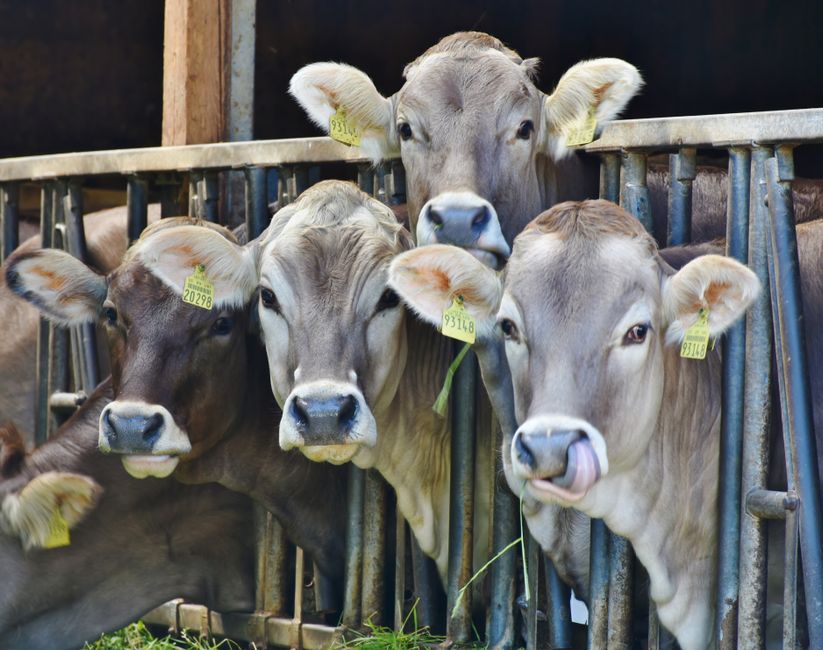
For livestock and horses, warning signs of heat stress include increased respiration rate, open-mouth breathing, excessive salivation, reluctance to move, and reduced feed intake. Cattle or sheep may crowd together in shade, while horses might sweat excessively and seem unwilling to work or exercise. Dehydration can show as sunken eyes, dry mucous membranes, and skin that does not quickly return to normal after pinching.
Parasites are also a serious late-summer concern. Dogs and cats may itch or lose hair from flea infestations, while horses and livestock can develop anemia, weight loss, or persistent scratching from flies, lice, and internal parasites. August storms may increase standing water, heightening mosquito and heartworm threats.
Recognizing these patterns early allows for swift intervention and minimizes long-term impact on your animal’s health.
Why August Brings Unique Animal Health Concerns
The combination of high temperatures and humidity typical of Greenfield and surrounding communities in August amplifies health risks for all animals. For pets, limited shade, dark surfaces, and poor ventilation can quickly turn a backyard or parked vehicle into a hazard. Brachycephalic breeds—those with short noses like Bulldogs and Persians—are particularly vulnerable to heatstroke.
For livestock and horses, pasture conditions may shift as grasses dry out, reducing nutrition and making animals more likely to graze in areas with weeds or toxic plants. Water sources can become stagnant, increasing bacterial and parasite exposure. Fly pressure peaks in late summer, contributing to stress, pinkeye in cattle, and summer sores in horses.
Exotic pets, especially those from cooler climates, often struggle to regulate body temperature in Indiana’s summer heat. Enclosures may overheat, leading to sudden illness or even death if not closely monitored.
These seasonal factors combine to make August a time when animal caretakers must be especially vigilant.
Treatment and Management: How Town & Country Vet Clinic Supports Your Animals
Professional veterinary care is the cornerstone of keeping animals safe and healthy through late summer. At Town & Country Vet Clinic, our team provides comprehensive services tailored to the needs of both companion animals and livestock.
When pets arrive with signs of heat stress or dehydration, rapid assessment and supportive care are critical. Treatment may involve intravenous fluids, cooling techniques, and monitoring for organ damage. Our in-house laboratory services allow us to quickly check bloodwork for underlying problems or complications. For pets with persistent itching, hair loss, or skin infections due to fleas or ticks, we offer diagnostic testing and targeted therapies to restore comfort and prevent recurrence.
Livestock and horses receive thorough examinations that may include checking hydration status, assessing body condition score, and evaluating for signs of internal or external parasites. Deworming protocols may be updated based on fecal egg counts, and injectable or pour-on fly control solutions can be recommended. Our veterinarians also educate producers on optimizing shade, ventilation, and water quality in barns and pastures.
For all animal types, our comprehensive examinations help us identify subtle issues before they become emergencies. Dental care, vaccination updates, and nutritional counseling are part of our routine August appointments for every species.
Prevention and Home Care: Keeping Animals Comfortable in August
While veterinary care is essential, proactive management at home or on the farm greatly reduces the risk of summer health problems.
For dogs and cats, ensure constant access to fresh, cool water and provide shaded areas outdoors. Walk dogs early in the morning or late in the evening when temperatures are lower. Never leave pets in parked vehicles, even for a few minutes. Regular grooming helps remove excess hair and reduces overheating. Flea and tick prevention, administered as directed by your veterinarian, is crucial to keep parasites at bay.
Exotic pets require close monitoring of enclosure temperatures and humidity. Providing frozen water bottles or ceramic tiles in habitats can help small mammals stay cool, while misting or increased airflow benefits many reptiles and birds.
Livestock and horses need ample, clean water, ideally refreshed several times per day. Ensure all animals have access to shade in pastures or barns, and rotate pastures if possible to prevent overgrazing and reduce parasite burden. Fly control measures, such as fly masks for horses and insecticide-impregnated ear tags for cattle, help minimize irritation and disease transmission. Inspect herds and flocks daily, watching for early signs of distress or illness.
Producers in the Greenfield area should also be aware of local weed and toxic plant growth in late summer, as drought-stressed pastures may become less safe for grazing.
When to Seek Veterinary Care: Knowing the Right Time
Some symptoms and situations require immediate veterinary attention, regardless of species. If your dog, cat, or exotic pet is panting heavily, drooling excessively, vomiting, or collapses, contact our veterinary team right away. Heatstroke can progress rapidly and may become fatal without prompt intervention. Sudden changes in behavior, loss of appetite, or difficulty breathing in any animal should not be ignored.
For livestock and horses, any sign of severe heat stress—such as open-mouth breathing, inability to rise, staggering, or sudden drop in milk production—warrants a call to our veterinarians. Persistent lameness, signs of colic, or unexplained weight loss in horses should also be addressed quickly. If you notice a significant increase in flies, lice, or other parasites despite regular control efforts, professional assessment and adjustment of your parasite management program may be necessary.
When in doubt, it is always better to schedule an appointment for a semi-annual comprehensive exam or reach out for urgent guidance. Our team is here to answer your questions and provide the care your animals need.
Town & Country Vet Clinic: Your Partner for August Animal Wellness
Protecting your animals during the heat of August requires attentive care, local knowledge, and the support of a trusted veterinary team. At Town & Country Animal Hospital - Small & Large Animal Care, we are committed to serving pet owners, livestock producers, and horse owners throughout Greenfield and surrounding communities. Our veterinarians offer a full range of services for every species, helping you manage everything from heat stress and dehydration to parasite prevention and routine wellness.
If you are searching for a veterinarian near me who understands the unique needs of both pets and large animals during Indiana’s summer, our team is ready to help. Schedule your next wellness exam, discuss parasite control, or address any concerns by calling (317) 326-1212 or visiting our Greenfield clinic location. For more information on our services, including comprehensive pet examinations and in-house laboratory testing, explore our website or reach out with your questions.
Let Town & Country Vet Clinic be your year-round resource for animal wellness, helping every animal in your care thrive—no matter the season.
Disclaimer: This blog is intended for educational purposes only and should not be used as a substitute for professional veterinary advice. If you are concerned about the health of your animal, contact your veterinarian directly for guidance and care.