
How a Greenfield Vet Keeps Pets Healthy This Fall
How a Greenfield Vet Keeps Pets Healthy This Fall
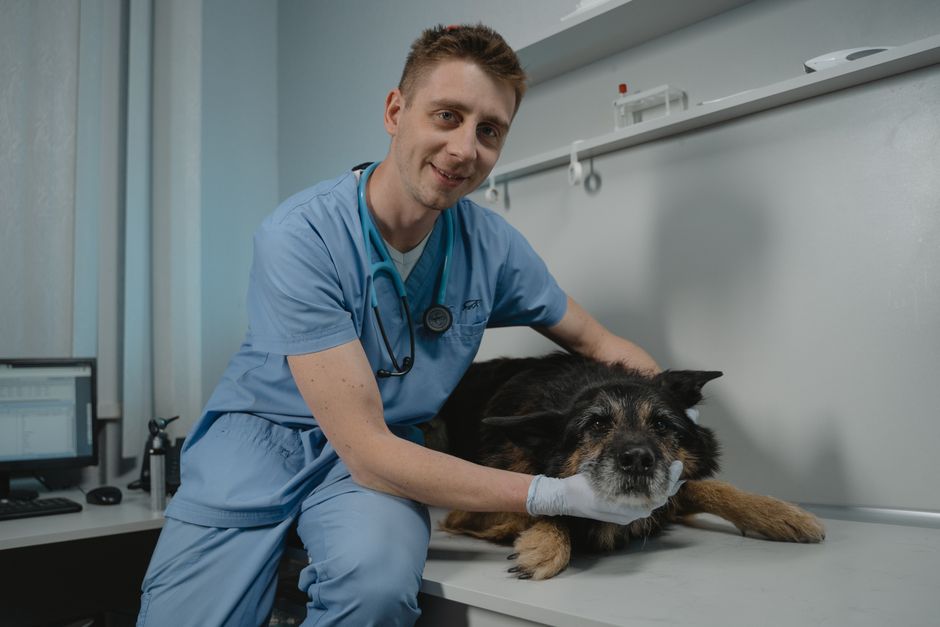
As the air turns crisp and leaves begin to change, fall brings a new set of joys and challenges for your dog or cat. While autumn in Greenfield is beautiful, it also presents unique risks for pets, from seasonal allergies to cooler temperatures and increased indoor time. At Town & Country Animal Hospital, our veterinary team is dedicated to helping pet owners in Greenfield and surrounding communities keep their companions healthy and happy as the seasons shift. In this guide, you’ll discover essential fall pet care tips, common hazards to watch for, and how a trusted Greenfield vet can help ensure your pet’s well-being every step of the way. Whether you’re preparing for chilly walks or cozy nights indoors, our veterinarians offer the preventive care and support your pet needs for a safe, comfortable autumn.
Recognizing Fall Health Issues in Dogs and Cats
Every season brings its own set of health considerations, and fall is no exception. As the weather cools, your pet may experience changes in activity levels, appetite, or even behavior. Key symptoms that may indicate a health issue in autumn include increased scratching or licking, sneezing, runny eyes, decreased energy, and changes in eating or drinking habits. Cats may spend more time hiding or seem less interested in food, while dogs could develop new skin irritations or appear more lethargic during walks.
Common environmental factors, such as mold spores from fallen leaves, can trigger allergies, leading to itchy skin or respiratory symptoms. Additionally, as pets spend more time indoors, you may notice symptoms like coughing or sneezing if they are exposed to dust or household allergens. Cooler temperatures can also aggravate arthritis or joint pain, especially in older pets, causing stiffness or reluctance to move.
If your dog is scratching persistently or losing hair, or if your cat is hiding more or refusing to eat, these changes could indicate an underlying issue that warrants a closer look. For guidance on when symptoms like skin irritation or itching require professional care, you can find more information on our dog skin irritation and itching page and our cat hiding or not eating page.
Why Fall Brings Unique Risks for Pets
Understanding what makes autumn different can help you protect your pet’s health. The drop in temperature often means more time spent indoors, which increases exposure to household chemicals, certain houseplants, and seasonal decorations that may be harmful if chewed or ingested. Halloween and Thanksgiving can introduce risks such as chocolate, candy, and fatty table scraps that are toxic to dogs and cats.
Outside, piles of damp leaves and standing water become breeding grounds for molds, bacteria, and parasites. Dogs may develop skin or ear infections from playing in wet leaves, while cats that venture outdoors could encounter antifreeze spills, which are extremely dangerous even in small amounts. Rodent control measures also increase in the fall, and accidental ingestion of rodenticides is a significant risk.
Seasonal allergies can flare up in both dogs and cats as pollen, ragweed, and mold counts rise. These allergens can trigger itchy skin, watery eyes, and respiratory discomfort. Meanwhile, shorter days and cooler weather can worsen symptoms of arthritis and mobility issues, making it important to monitor older pets for signs of discomfort.
How a Greenfield Vet Treats and Manages Fall Concerns
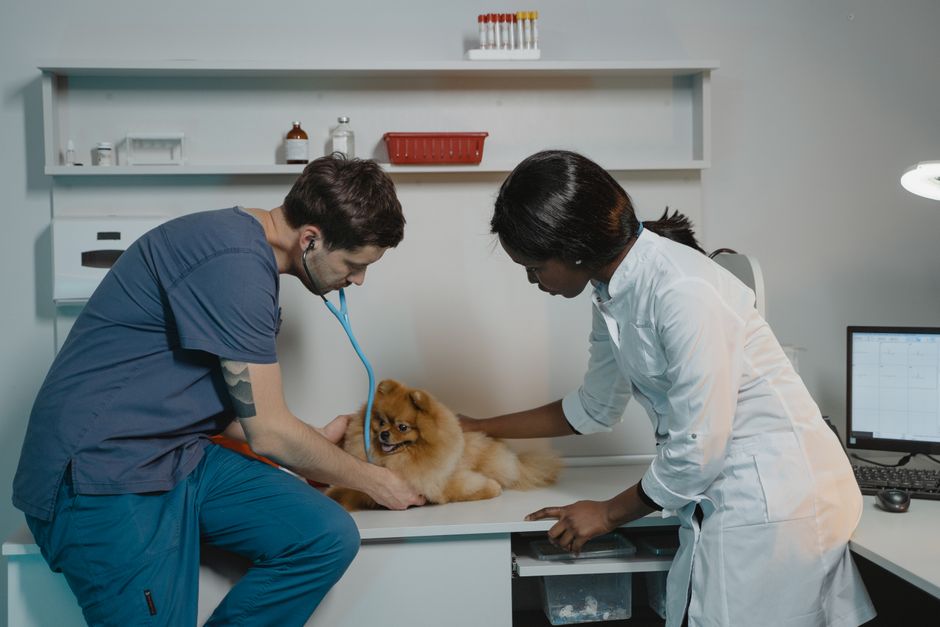
Our veterinarians at Town & Country Animal Hospital are equipped to address the full spectrum of autumn health issues. Treatment approaches begin with a thorough wellness examination, which allows us to detect early signs of illness and create a customized care plan. For pets experiencing allergy symptoms, we may recommend prescription medications, topical therapies, or dietary adjustments to reduce itching and inflammation.
If your dog or cat develops respiratory symptoms or unexplained lethargy, our in-house diagnostic laboratory enables us to quickly identify infections, metabolic issues, or other health concerns. Skin and ear problems are treated with appropriate medications and follow-up care, ensuring your pet finds relief and recovers fully.
Pain management is especially important for older pets facing joint stiffness in the cooler weather. Our veterinary team offers options such as laser therapy, joint supplements, and tailored exercise recommendations to keep your pet comfortable and mobile throughout the season. If you’re due for a wellness examination or want to stay proactive about your pet’s health, we encourage you to schedule a comprehensive pet exam with our Greenfield vet team.
Fall Prevention and Home Care Tips for Pet Owners
Taking simple steps at home can make a big difference in your pet’s health and comfort this autumn. Begin by inspecting your yard and removing fallen leaves promptly to reduce mold and parasite risks. Keep pets away from compost piles, standing water, and any areas treated with rodenticides or antifreeze. Make sure Halloween candy, chocolate, and festive decorations are stored safely out of reach.
Inside your home, vacuum and dust regularly to limit indoor allergens. Wash pet bedding often, and provide a warm, draft-free sleeping space for your dog or cat. For pets with arthritis, consider using ramps or stairs to help them access favorite resting spots with less strain. Adjust daily exercise routines to account for colder weather, choosing shorter, more frequent walks for dogs and providing interactive toys for indoor play.
Stay up to date with your pet’s vaccination schedule and parasite prevention, as fleas, ticks, and heartworms can remain a risk even in the fall. If you have questions about your pet’s immunization needs, our pet vaccination services provide year-round protection against preventable diseases.
When to Call Your Greenfield Vet for Fall Health Issues
While many seasonal changes are normal, certain symptoms should prompt a call to your veterinarian right away. Warning signs that require professional evaluation include persistent vomiting or diarrhea, refusal to eat for more than 24 hours, labored breathing, sudden lameness, or signs of severe pain. If your dog or cat is straining to urinate, having repeated accidents indoors, or showing neurological symptoms such as disorientation or seizures, seek urgent veterinary care.
It’s always better to err on the side of caution. Our veterinary professionals can help determine whether your pet’s symptoms are part of a mild seasonal adjustment or need medical attention. Early intervention can prevent minor issues from becoming major problems, ensuring a healthier, happier autumn for your pet.
If you’re not sure whether your pet’s symptoms require a visit, you can learn more about specific concerns, such as dog vomiting or diarrhea or cat urinary straining, by visiting our resources or calling our clinic for personalized advice.
Supporting Your Pet’s Well-Being All Autumn Long
Your pet relies on you to navigate the changing seasons safely. By staying alert to new symptoms, understanding fall-specific risks, and working closely with a trusted Greenfield vet, you can help your dog or cat enjoy all that autumn has to offer. Prevention, timely veterinary care, and a few practical home adjustments are the keys to a smooth and healthy transition into cooler weather.
If you are searching for a veterinarian near me who understands the unique needs of dogs and cats during fall, Town & Country Animal Hospital is ready to help. Our veterinary team is committed to providing comprehensive preventive care, prompt treatment, and supportive guidance for every stage of your pet’s life.
To schedule a wellness exam or discuss any concerns about your pet’s health this fall, call us at (317) 326-1212 or visit our location at 2874 North 400 East, Greenfield, IN 46140. You can also learn more about our semi-annual comprehensive examinations and how they support your pet’s long-term wellness. We look forward to being your trusted Greenfield vet throughout this season and beyond.
Disclaimer: This blog is intended for educational purposes only and should not be used as a substitute for professional veterinary advice. If your pet is experiencing symptoms or you have concerns about their health, please contact your veterinarian promptly.