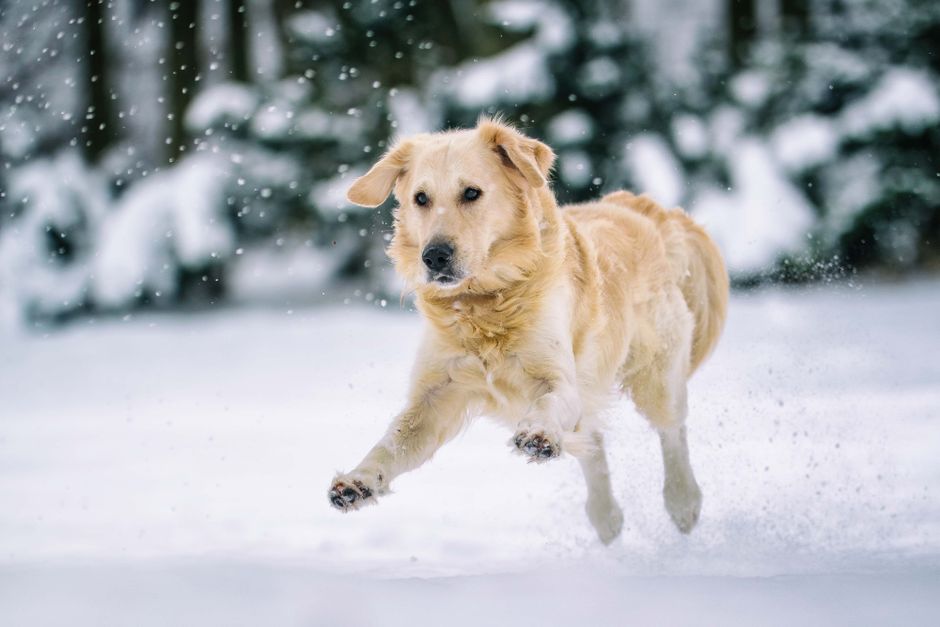

How a Greenfield Vet Prepares Pets for Cold Weather
How a Greenfield Vet Prepares Pets for Cold Weather
As temperatures begin to drop in Greenfield, many pet owners start to worry about how the changing weather might affect their dogs and cats. Winter brings unique challenges for our furry companions, from chilly walks to dry skin, and even increased risks of illness. At Town & Country Animal Hospital, your trusted greenfield vet, we understand how important it is to keep your pet comfortable, healthy, and safe as the cold sets in. Our veterinary team in Greenfield, IN is here to help you navigate the seasonal changes with practical advice, wellness checkups, and preventive care designed to help your pet thrive all winter long. In this blog, you’ll learn how our veterinarians prepare pets for cold weather, what signs to watch for as temperatures drop, and tips to keep your dog or cat healthy and happy indoors and out.
Recognizing Cold Weather Risks for Your Dog or Cat
Before winter fully arrives, it’s important to recognize how cold weather can impact your pet’s health. Dogs and cats are often more resilient than we think, but sudden temperature shifts, icy conditions, and indoor heating can create new risks. Key signs that your pet might be struggling with the cold include shivering, reluctance to go outside, changes in appetite, dry or flaky skin, and increased sleeping. Some pets, especially seniors or those with medical conditions, may also develop stiffness or joint discomfort as the temperature drops.
Cats tend to seek out the warmest part of the house, but if your feline friend seems lethargic, hides more than usual, or avoids their litterbox, these could be signs they are not adjusting well to the chill. Dogs, especially those with short coats or smaller breeds, may hesitate on walks or try to rush back indoors. If your pet’s nose, ears, or paw pads look pale or feel cold to the touch, this could indicate early signs of cold stress. Pets with arthritis or mobility issues may show limping or stiffness after time spent outdoors; if you notice these changes, it’s important to discuss them with your veterinarian. For more guidance on when limping or stiffness in dogs warrants attention, you can review our page on dog limping and stiffness.
Why Cold Weather Affects Pets: Understanding the Risks
Colder months in Greenfield bring a range of environmental changes that can impact your dog or cat’s health. When the air turns dry due to heating systems, pets may experience itchy skin or static in their fur. Outdoor walks become less comfortable, especially for pets with thin coats or those not acclimated to the cold. Ice, snow, and sidewalk salt can irritate sensitive paw pads, leading to redness, cracking, or even small wounds. Additionally, shorter daylight hours tend to reduce activity levels, putting some pets at risk for winter weight gain or boredom-related behaviors.
Older pets, or those with chronic health conditions such as arthritis, are especially vulnerable during winter. Cold temperatures can make joint stiffness and discomfort worse, while hidden hazards like antifreeze spills or rodenticides become more tempting to curious noses. Indoor cats may be drawn to dangerous heat sources like space heaters, while dogs might ingest harmful substances during outdoor walks. It’s also easy to overlook how quickly a pet can become chilled, especially if they get wet or spend longer than expected outside.
How a Greenfield Vet Helps Pets Prepare for Winter
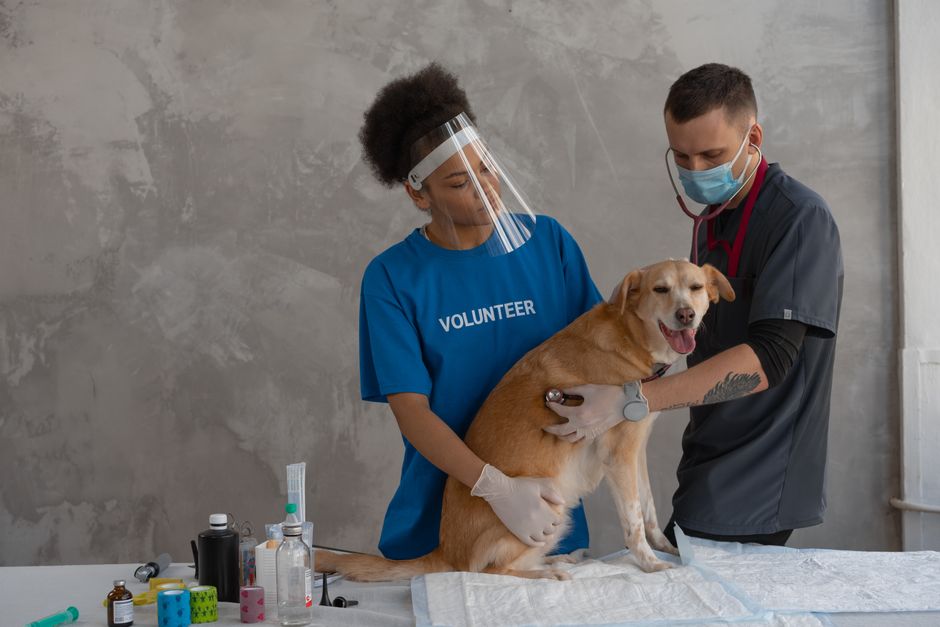
At Town & Country Animal Hospital, our approach to cold weather readiness starts with a comprehensive evaluation of your pet’s current health and lifestyle. During a wellness examination, our veterinarians assess your pet’s coat, skin, weight, joint health, and overall condition. We ask about your pet’s daily routine, including outdoor time and any changes in behavior you’ve noticed as the weather shifts.
For pets with a history of arthritis or mobility challenges, our team may recommend adjusting exercise routines or discussing supportive therapies, such as joint supplements or laser therapy, to maintain comfort throughout winter. We check for signs of dry skin, cracked paw pads, or dental issues that colder, drier air can aggravate. If your pet is due for preventive care, such as vaccines or parasite testing, we’ll use this opportunity to ensure they are fully protected before winter arrives. Our vaccination services help defend against respiratory illnesses that may become more common in colder months due to increased indoor contact with other animals.
We also review your pet’s diet and recommend adjustments if activity levels have dropped. Sometimes a change in calories, feeding schedule, or the addition of omega-3 fatty acids can help support skin, coat, and joint health during the colder season.
Home Care Tips for Cold Weather Comfort
Beyond veterinary care, there are many practical steps you can take at home to help your pet stay cozy and healthy all season long. Providing a warm, draft-free sleeping area is essential; ensure your dog or cat’s bed is away from exterior doors or unheated spaces. For pets who venture outside, consider using a jacket or sweater for short-haired breeds, and always dry your pet thoroughly after walks in wet, snowy, or icy conditions.
Regular grooming helps maintain a healthy coat that insulates your pet against the cold. Brushing removes dead hair and distributes natural oils, preventing dry skin. Check your pet’s paws after each walk, removing any ice, salt, or debris to prevent irritation and licking. Paw balms or pet-safe moisturizers can help protect against cracking.
Keep your pet’s routine as consistent as possible. Indoor play sessions, food puzzles, or short, supervised periods outdoors can help burn off energy if walks are limited. Monitor your pet’s weight and adjust food portions if activity drops. For cats, provide elevated resting spots near sunny windows to encourage movement and mental stimulation.
Always use pet-safe ice melts if you treat your own walkways, as many commercial products can be toxic to dogs and cats. Store antifreeze and cold weather chemicals well out of reach, as even small amounts can be extremely dangerous. When using indoor heating, ensure your pet cannot access space heaters or heated blankets unsupervised, as these can cause burns or fires.
When to Seek Veterinary Care for Winter Concerns
Even with the best home care, some pets may still struggle during the winter months. You should contact your veterinarian promptly if you notice persistent shivering, reluctance to eat or drink, sudden lameness, or changes in breathing. Dogs and cats who become lethargic, seem unusually withdrawn, or develop skin sores may need medical attention. If your pet slips on ice and appears stiff or sore, our veterinarians can assess for injuries and recommend appropriate treatment.
Pets with chronic illnesses, such as diabetes, kidney disease, or heart conditions, may need more frequent checkups during winter to monitor for seasonal changes in their health. If you are concerned about reduced energy or changes in your dog’s activity, our page on dog lethargy offers helpful guidance on when to seek veterinary care. Never hesitate to reach out if you feel your pet is uncomfortable or not adapting well to the cold.
Preventive Care for a Healthy Winter
Preventive veterinary care is the cornerstone of keeping your pet well through every season. Scheduling a semi-annual comprehensive exam before winter ensures that your pet’s needs are being met as the climate changes. These exams allow our veterinarians to catch potential problems early, adjust care plans as needed, and provide tailored recommendations for your pet’s age, breed, and lifestyle.
Vaccinations and parasite prevention remain important during winter, as some parasites and infectious diseases can persist year-round. Indoor pets are not immune to seasonal risks, especially if they share a home with animals who go outside or interact with other pets. Discussing your pet’s unique environment and habits with your greenfield vet helps us create the most effective preventive care plan.
Your Greenfield Vet: Partnering for Winter Wellness
As winter settles in, Town & Country Animal Hospital remains committed to supporting your pet’s health and comfort. From preventive exams to advice on home care, our veterinary professionals are here to address your concerns and help your dog or cat thrive in the colder months. If you’re searching for a vet near me who understands local seasonal challenges, look no further than our compassionate team in Greenfield.
To schedule a winter wellness exam or discuss any concerns about your pet’s comfort, call us at (317) 326-1212 or visit us at 2874 North 400 East, Greenfield, IN 46140. Our greenfield vet team is dedicated to helping your pets stay healthy, safe, and happy all winter long. For more resources on pet health and seasonal care, explore our website or reach out to our veterinary team for personalized advice.