Preparing Your Animals for Fall at a Greenfield Veterinary Clinic
Preparing Your Animals for Fall at a Greenfield Veterinary Clinic
As September arrives in Greenfield and the air turns crisp, both pet owners and producers begin to notice subtle changes in their animals. Fall in Indiana brings cooler temperatures, shorter days, and shifting routines for households and farms alike. Whether you are walking your dog through leaf-strewn neighborhoods or preparing your livestock for the coming winter, seasonal transitions create unique health challenges. At Town & Country Animal Hospital, your trusted Greenfield veterinary clinic, we understand how important it is to keep every animal in your care—from playful pups to productive herds—healthy and comfortable as the weather changes. In this guide, we will cover the most common fall health concerns for both pets and livestock, explore practical tips for prevention, and explain how regular veterinary care supports wellness for all species. By the end, you will know exactly what to watch for, how to respond to seasonal threats, and when to schedule a visit with our experienced veterinary team.
Recognizing Seasonal Health Challenges in Pets and Livestock
As the seasons shift from summer to fall, animals begin to display different patterns of behavior and health. For companion animals, you may notice your dog’s coat thickening, your cat seeking out warm spots in the house, or changes in appetite and activity. Typical signs that a pet may be having trouble with the fall transition include increased scratching due to seasonal allergies, coughing or sneezing from indoor air changes, or difficulty adjusting to new routines as school starts and schedules shift.
For livestock and horses, fall is a critical time for evaluating body condition and addressing parasite loads. Producers often see changes in pasture quality, with grass losing nutrition and dry forage becoming more important. Warning signs to watch for in herds include reduced weight gain, rough or thinning hair coats, persistent coughing (especially as barns are closed up), and hoof problems from wet or muddy conditions. Horses may show signs of laminitis if they graze on lush fall grass or develop respiratory issues as they spend more time in stalls. Recognizing these early signs allows you to respond quickly, preventing minor seasonal issues from becoming major health problems.
Why Do Fall Health Issues Arise for Animals in Indiana?
The fall season brings a unique combination of factors that can impact animal health. For pets, fluctuating temperatures and increased time indoors may trigger allergies, while less daylight can influence mood and behavior. Indoor heating can dry out skin, leading to itchiness or flaking, and seasonal parasites such as fleas and ticks may seek warmth inside, hitching a ride on your dog or cat. Additionally, fall is a time when many households begin using rodenticides and antifreeze around the home and garage—both of which are highly toxic to pets if ingested.
Producers face different, but equally important, concerns with livestock. As pastures lose nutritional value in late summer and fall, cattle and small ruminants may struggle to maintain optimal body condition. Cold, damp weather increases the risk of respiratory disease, especially in calves and weanlings. Internal parasites, such as stomach worms, often surge in the fall as animals graze on shorter grass close to the soil. For horses, lush regrowth of cool-season grasses can increase the risk of laminitis, particularly in animals with metabolic conditions. Understanding these seasonal risk factors helps you proactively manage both companion animals and production animals as autumn arrives.
Veterinary Treatment and Fall Management: What to Expect
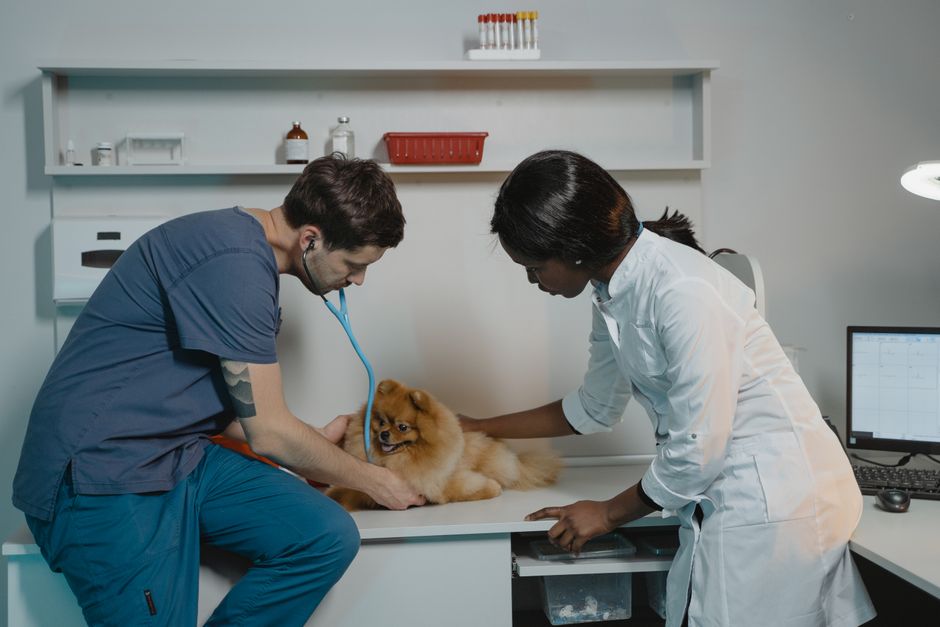
For pet owners, a fall check-up at your Greenfield veterinary clinic is an ideal way to ensure your dog or cat is ready for the cooler months. During a comprehensive pet exam, our veterinarians will assess your animal’s body condition, coat quality, dental health, and parasite risk. If your pet is due for vaccinations, updating them before winter sets in provides critical protection. Our veterinary team can also discuss strategies for managing seasonal allergies, recommend appropriate flea and tick prevention, and address any behavioral changes related to schedule shifts.
Producers and horse owners benefit from a fall herd health check or soundness exam. This often includes evaluating body condition scores, checking for external and internal parasites, and reviewing nutrition as forage changes. Deworming protocols are commonly updated in the fall to address parasite burdens; our veterinary professionals can recommend targeted treatments based on fecal testing and herd history. For horses, a fall exam may include a dental float, vaccination boosters, and an assessment of hoof health before the onset of mud and ice. If any respiratory symptoms are present in your barn or herd, prompt veterinary evaluation ensures rapid treatment and helps prevent spread.
Home and Farm Strategies for Fall Animal Health
Taking proactive steps at home and on the farm can make a significant difference in animal wellbeing during the fall. For pets, regular grooming helps manage shedding and reduces the risk of skin problems. Wiping paws after outdoor walks minimizes exposure to mold, allergens, and potential toxins. Ensuring pets have a warm, dry place to sleep and maintaining a consistent feeding routine helps them adapt to changing weather and schedules. If your dog or cat spends time outdoors, continue using parasite preventives until hard frost eliminates tick and flea activity.
On the farm, rotating pastures when possible, supplementing with quality hay, and providing adequate shelter from wind and rain support herd health. Monitoring water sources to prevent freezing and checking for mold in stored feed are important safety measures. Producers should watch for signs of respiratory illness, such as nasal discharge or coughing, and address muddy or wet conditions that may lead to hoof problems. For horses, limiting access to lush fall grass, providing routine hoof care, and adjusting blanketing as temperatures fluctuate all contribute to a smooth seasonal transition.
When to Contact Your Greenfield Veterinary Clinic
Knowing when to seek professional veterinary care can make a crucial difference for both pets and livestock. For pet owners, contact your veterinarian if you notice persistent itching or skin problems, coughing that lasts more than a couple of days, sudden changes in appetite or energy, or any signs of exposure to toxins such as antifreeze or rodent bait. A semi-annual comprehensive exam is one of the best ways to detect subtle health changes early.
Producers should reach out to their veterinary team if cattle or small ruminants show unexplained weight loss, persistent respiratory symptoms in the herd, increased parasite loads, or issues with calving or breeding. For horses, sudden lameness, signs of colic, or respiratory distress require prompt evaluation. Remember, early intervention not only supports animal welfare but can also protect your operation’s productivity as winter approaches.
Supporting All Species: Mixed Animal Care for a Healthy Fall
At Town & Country Animal Hospital, we are proud to serve the diverse needs of both pet owners and producers in Greenfield and surrounding communities. Our veterinary team provides a full range of services, from routine pet vaccinations and dental care to herd health consultations and large animal medicine. We understand the unique challenges faced by every species as the seasons change, and we are committed to working with you to develop practical, effective strategies for fall wellness.
Whether you need advice about preparing your home for indoor pets, a fall herd health check, or guidance on equine care, our knowledgeable veterinarians are here to help. We encourage you to schedule an appointment to address any seasonal concerns or to set up a preventive health plan tailored to your animals’ needs.
Take the Next Step: Partner with Your Local Greenfield Veterinary Clinic This Fall
As fall settles over Greenfield, now is the perfect time to ensure your pets, horses, and livestock are healthy and prepared for the months ahead. By staying alert to seasonal changes, adopting practical prevention strategies, and partnering with a trusted Greenfield veterinary clinic, you can help every animal in your care thrive. Our veterinary professionals at Town & Country Animal Hospital are ready to support you, whether you are booking a routine wellness appointment, scheduling a herd health consultation, or looking for expert advice on fall animal care. If you are searching for a veterinarian near me or need guidance on preparing your animals for the season, we invite you to contact us at (317) 326-1212 or visit us at 2874 North 400 East, Greenfield, IN 46140. Let our team help you keep your animals healthy, safe, and comfortable throughout the fall and beyond.
This article is intended for informational purposes only and does not replace professional veterinary evaluation or treatment. If you have concerns about your animal’s health, please consult your veterinarian promptly.