Preventing Parasites in Livestock: Greenfield Summer Herd Health Tips

Preventing Parasites in Livestock: Greenfield Summer Herd Health Tips
As summer arrives in Greenfield and the surrounding communities, livestock producers face a renewed challenge: keeping herds healthy and productive despite the annual surge in parasite activity. Whether you manage cattle, sheep, or goats, the warmer months in central Indiana create ideal conditions for internal and external parasites to thrive. At Town & Country Animal Hospital - Small & Large Animal Care, our team of veterinarians understands how quickly parasites can impact animal wellbeing and your operation’s bottom line. That is why we are committed to supporting producers with practical advice, veterinary expertise, and preventive programs designed for the unique needs of local herds. In this blog, we will cover how to recognize early signs of parasite issues, the reasons summer brings increased risk, proven management strategies, and when it is time to schedule a herd evaluation at our Greenfield location. By taking proactive steps early in the season, you can help ensure your livestock remain healthy and productive all summer long.
Recognizing Parasite Problems: Key Signs in Your Herd
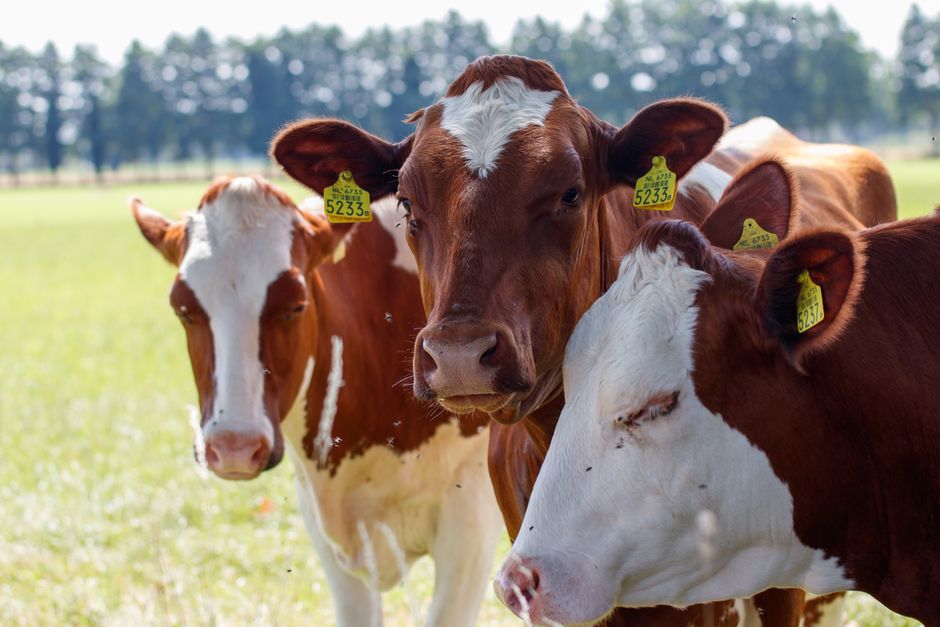
Parasites can be silent thieves in livestock operations, often causing significant losses before producers notice any dramatic symptoms. Early detection is critical, especially during summer when parasite populations explode. Signs that may indicate a parasite problem in your herd include a noticeable drop in weight gain or condition, pale mucous membranes (such as around the eyes or gums), rough or patchy hair coats, and loose or watery manure. Some animals may display a pot-bellied appearance, reduced appetite, or general lethargy. In severe cases, you might observe bottle jaw (swelling under the jaw), coughing, or scours that persist despite changes in diet. Youngstock are particularly vulnerable and may lag behind in growth or show higher rates of illness. Producers should also note changes in grazing behavior; livestock spending more time in shaded, damp areas or avoiding certain parts of the pasture may be responding to high parasite pressure. Because parasite signs can mimic other health issues, it is important to consult with a veterinary team if you notice these patterns in your operation.
Understanding Why Summer Brings Increased Parasite Risk
Central Indiana’s warm, humid summers create the perfect environment for both internal parasites (like gastrointestinal worms and coccidia) and external parasites (such as flies, lice, and ticks) to flourish. Internal parasites reproduce rapidly in moist, warm soils, contaminating pastures where livestock graze and making reinfection cycles more aggressive. Calves, lambs, and kids are especially at risk, as their developing immune systems are less able to manage heavy parasite loads. Additionally, frequent rains can lead to muddier paddocks and standing water, providing breeding grounds for flies and increasing the risk of foot rot alongside parasite transmission.
External parasites, including horn flies, stable flies, and ticks, are more than a nuisance; they can cause irritation, blood loss, and transmit diseases like anaplasmosis or pinkeye. Furthermore, heavy parasite burdens can suppress immune function, leaving animals more susceptible to other illnesses and reducing reproductive performance. As pasture rotation and stocking density play roles in parasite management, those with limited grazing space or high stocking rates may see issues arise sooner. Understanding how summer weather patterns drive parasite cycles is the first step in developing an effective seasonal management plan.
Veterinary Approaches to Managing Summer Parasites
Veterinary herd health programs combine targeted deworming, strategic pasture management, and diagnostic monitoring to keep parasites under control. At Town & Country Animal Hospital - Small & Large Animal Care, our veterinarians recommend routine semi-annual comprehensive exams for your herd, especially before and during the peak summer season. During these visits, our veterinary professionals can assess body condition scores, check for early signs of parasitism, and discuss customized deworming protocols based on your operation’s risk factors.
Fecal egg counts are a valuable tool for tracking parasite burdens and evaluating the effectiveness of your deworming program. By submitting manure samples for advanced diagnostic testing, you can identify which parasites are present and make data-driven decisions about treatment. This targeted approach helps avoid unnecessary use of dewormers, slows the development of resistance, and ensures that treatments actually address the parasites affecting your livestock.
In some cases, especially with persistent or severe infestations, our veterinary team may recommend additional therapies or adjusted protocols. These might include injectable or pour-on dewormers, oral drenches, or products targeting specific external parasites. We also provide advice on incorporating mineral supplements or feed additives that support immunity and reduce parasite establishment. By partnering with a veterinary team familiar with local parasite pressures, producers can be confident that their management strategies are both effective and sustainable.
Practical Prevention: Summer Parasite Control Strategies for Producers
Preventing parasite problems requires an integrated approach that combines veterinary guidance with on-farm management. Rotational grazing remains one of the most effective tools, as moving livestock between pastures disrupts the parasite life cycle and reduces exposure to infective larvae. Ideally, pastures should be allowed to rest for weeks between grazing periods, and returning animals should avoid heavily contaminated areas. Maintaining appropriate stocking densities helps limit parasite buildup, while regular removal of manure from high-traffic zones (such as around waterers and feeders) reduces reinfection risks.
Water management is another key factor, as clean, regularly refreshed water sources discourage animals from drinking from puddles or standing water where parasites may thrive. Producers should also monitor and manage mud-prone areas to minimize foot health issues and external parasite populations. During summer, fly control measures such as back rubbers, dust bags, insecticide-treated ear tags, or feed-through products can greatly reduce irritation and disease transmission.
Careful selection and timing of deworming treatments are critical. Blanket, calendar-based deworming is no longer recommended for most operations due to resistance concerns; instead, treatments should be based on diagnostic results, animal age, and pasture conditions. Our veterinarians can help design a program that fits your operation’s specific needs, adjusting protocols as weather patterns and parasite pressures shift throughout the season.
When to Schedule a Veterinary Herd Evaluation
Knowing when to seek professional support can make all the difference in protecting herd health and productivity. Producers should contact a veterinary team if they notice persistent scours, unexplained weight loss, poor body condition despite adequate nutrition, or signs of anemia such as pale mucous membranes or bottle jaw. Sudden increases in fly or tick populations, outbreaks of pinkeye, or unexplained deaths also warrant prompt attention.
Routine herd health evaluations are especially valuable prior to calving or lambing and at the start of grazing season, but summer check-ins allow for timely mid-season adjustments. Our team at Town & Country Animal Hospital - Small & Large Animal Care offers in-depth herd assessments, customized parasite control plans, and advanced laboratory diagnostics to support your goals. Producers in Greenfield and the surrounding communities can rely on our expertise to help navigate the challenges of summer parasite control.
Supporting Herd Health All Summer: The Producer’s Role
Maintaining herd health during the summer parasite season is a shared responsibility between producers and their veterinary partners. Proactive monitoring, prompt action when problems arise, and ongoing communication with your veterinary team are essential for minimizing losses and keeping livestock thriving. Regular pasture walks, close observation of animal condition, and timely implementation of veterinary recommendations all contribute to a healthier, more productive operation.
If you are preparing for the summer season or have concerns about your herd’s parasite control program, now is the time to schedule a consultation. Our veterinary professionals at Town & Country Animal Hospital - Small & Large Animal Care are dedicated to supporting local producers with practical solutions tailored to Greenfield’s unique climate and livestock needs. To discuss your operation’s herd health or to arrange a comprehensive herd evaluation, contact us at (317) 326-1212 or visit our Greenfield location. When searching for a veterinarian near me who understands both the science and the realities of livestock production, our team is here to help your animals—and your operation—succeed all summer long.
This blog is intended for informational purposes only and should not replace individualized veterinary advice. For questions about your herd’s health or to create a customized parasite prevention plan, schedule an appointment with our veterinary team.