
Spring Health Checklist for Pets in Greenfield, Indiana


Spring Health Checklist for Pets in Greenfield, Indiana
Springtime in Greenfield, Indiana brings longer days, blooming flowers, and a welcome break from winter’s chill. While many pet owners look forward to enjoying the warmer weather with their animals, spring also presents unique health challenges for pets of all sizes. Whether you care for a playful puppy, a loyal horse, or a fascinating exotic animal, the changing season calls for extra attention to your pet’s well-being. At Town & Country Animal Hospital - Small & Large Animal Care, our team of experienced veterinarians is committed to helping Greenfield’s pets thrive through every season. In this guide, we’ll walk you through a comprehensive spring health checklist, covering key topics such as seasonal allergies, parasite prevention, springtime grooming, and the importance of regular veterinary care. By following these steps and working closely with our veterinary professionals at our convenient 2874 North 400 East, Greenfield, IN 46140, you can help keep your pets happy and healthy all spring long.
Spotting Springtime Health Concerns in Your Pet
As the snow melts and temperatures rise, many pet owners notice subtle changes in their animals. Recognizing early warning signs is the first step to ensuring your pet’s comfort and health. Common issues during spring include increased itching or scratching, watery eyes, and sneezing, which often signal seasonal allergies. Additionally, pests like fleas, ticks, and mosquitoes become more active, so you might observe more frequent scratching, visible parasites in your pet’s coat, or even signs of localized skin irritation.
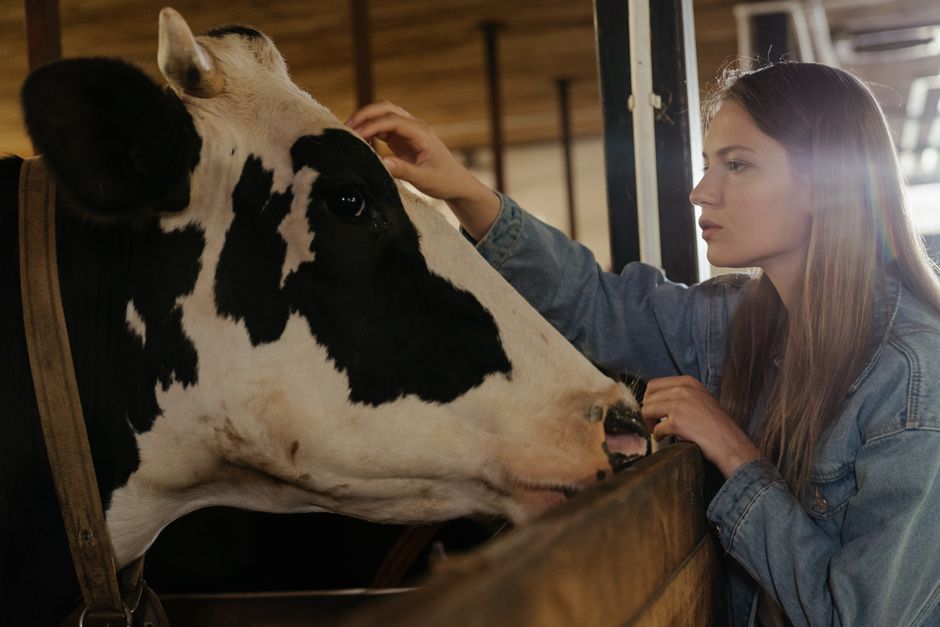
For larger animals such as horses, cattle, or goats, spring can bring challenges like hoof problems from muddy pastures or the risk of emerging parasites in grazing fields. Exotic pets, including reptiles and birds, may also experience changes in behavior or appetite as the weather shifts.
Behavioral changes should not be overlooked. Pets who once enjoyed long walks may seem more lethargic, while others could display restlessness or discomfort. Appetite changes, vomiting, diarrhea, or coughing are additional symptoms that may indicate an underlying issue needing veterinary attention. Paying close attention to your pet’s daily habits during this transitional period will help you notice problems before they escalate.
Why Spring Brings New Risks for Pets
Spring is a season of renewal, but it also introduces new health risks for animals. Warmer temperatures create ideal conditions for parasites such as fleas, ticks, and mosquitoes. These pests can transmit diseases like Lyme disease, ehrlichiosis, and heartworm, which are serious threats to both small and large animals. The increased humidity and rainfall common in Indiana promote the growth of molds and pollens, leading to allergies and respiratory irritation in sensitive pets.
Outdoor activities become more frequent in spring, but new plant growth can include toxic species. Dogs and cats exploring freshly landscaped yards may encounter plants that are hazardous if ingested. Fertilizers, herbicides, and pesticides used in spring lawn care can pose additional dangers.
For livestock, muddy conditions can cause hoof rot and other infections, while pasture changes may lead to dietary imbalances. Exotic pets are sensitive to temperature and humidity fluctuations, with reptiles often requiring careful adjustments to their habitat as seasons change.
Understanding these risks allows pet owners to take proactive steps in protecting their animals. By being aware of the specific challenges springtime brings to Greenfield and surrounding communities, you can create a safer environment for your pets.
Professional Veterinary Care: Essential Spring Services
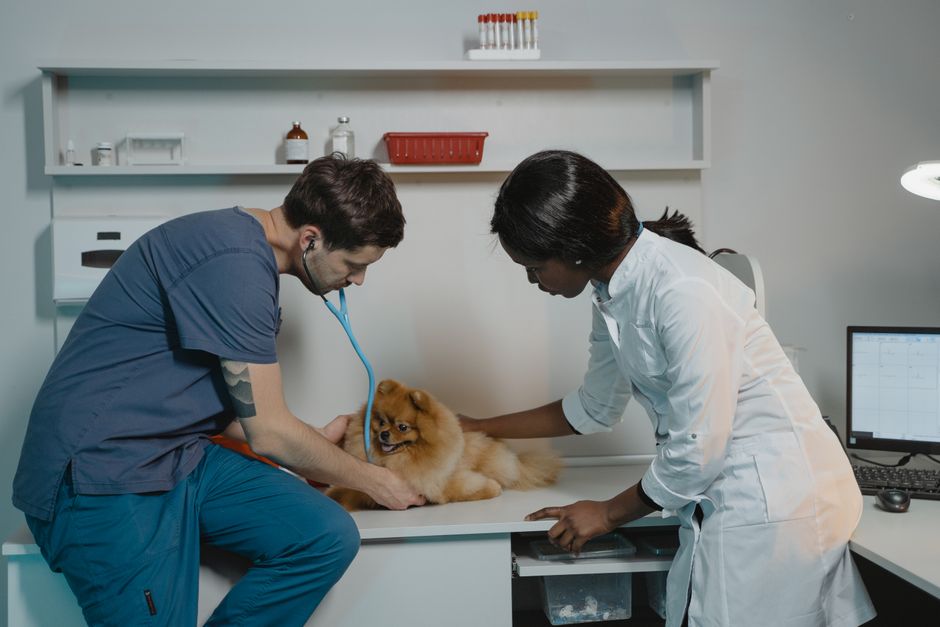
A comprehensive spring wellness check is one of the best ways to keep your pet healthy as the seasons change. At Town & Country Animal Hospital - Small & Large Animal Care, we recommend scheduling a semi-annual comprehensive exam to catch emerging health concerns early. During these visits, our veterinary professionals will assess your pet’s overall condition, check for signs of parasites, evaluate dental health, and discuss any changes in behavior or appetite.
Parasite prevention is crucial in spring. Our veterinarians can recommend and administer preventive treatments tailored to your pet’s species and lifestyle, such as prescription flea, tick, and heartworm control products. For dogs and cats, a heartworm test is an important part of spring health care, especially before starting or resuming prevention medication after winter.
Dental health is another key aspect of spring care. Pets can develop tartar and gum disease over time, so a professional pet dental cleaning can help prevent more serious issues down the road. Our comprehensive services extend to large animals and exotics as well, including specialized exams, vaccinations, and nutritional consultations.
For pets showing signs of skin issues or allergies, our experienced veterinarians may recommend diagnostic testing, such as skin scrapings or blood work, available through our in-house laboratory. Timely diagnosis allows for targeted treatment and improves your pet’s comfort during the allergy season.
Springtime Prevention and Home Care Tips
While professional veterinary care is essential, there are many steps you can take at home to support your pet’s health during spring. Regular grooming is vital for shedding winter coats and checking for signs of parasites. Brushing your pet frequently helps reduce shedding and allows you to spot fleas, ticks, or skin irritations early. For large animals, cleaning hooves and inspecting for cracks or signs of infection is important, especially after time spent in muddy paddocks.
Creating a parasite prevention schedule is another proactive measure. Monthly treatments for fleas, ticks, and heartworm are widely recommended by veterinarians and can be discussed during your pet’s wellness examination. Keeping your yard clean and free of standing water reduces mosquito breeding grounds, helping prevent heartworm disease.
Monitor your pet’s exposure to springtime lawn chemicals and toxic plants. Keep pets away from freshly treated areas until products have dried or been absorbed, and familiarize yourself with common toxic plants in Indiana gardens. For exotic pets, ensure that their enclosures maintain proper temperature and humidity, as sudden changes can cause stress or illness.
Allergy management includes regularly washing your pet’s bedding, wiping their paws after outdoor walks, and using hypoallergenic shampoos if recommended by your veterinarian. For animals prone to seasonal allergies, keeping windows closed on high pollen days and using air purifiers can help reduce symptoms.
When to Schedule a Veterinary Visit
Even with diligent home care, some situations require prompt attention from a veterinary professional. If you notice persistent coughing, difficulty breathing, lethargy, vomiting, diarrhea, or unexplained weight loss, it is important to schedule an appointment as soon as possible. Visible parasites, excessive scratching that leads to skin wounds, swollen or red gums, and sudden changes in behavior are other signs that your pet may need immediate care.
For large animals, signs such as lameness, reluctance to move, swelling in the legs, or changes in appetite or milk production should not be ignored. Exotic animals may display subtle symptoms, such as decreased activity or appetite, which can signal serious health issues.
Our team at Town & Country Animal Hospital - Small & Large Animal Care is here to help you navigate any seasonal health concerns. By seeking timely veterinary care, you can address potential problems before they become more serious and ensure the best quality of life for your beloved pet.
Spring into Action: Keep Your Pet Healthy This Season
Spring in Greenfield, Indiana brings fresh opportunities for outdoor fun and new adventures with your pets. By staying informed and proactive, you can help your animals avoid the common health pitfalls of the season. Remember to watch for signs of allergies, parasites, and other springtime issues, and do not hesitate to reach out for professional guidance. Scheduling your pet’s semi-annual comprehensive exam, ensuring up-to-date parasite prevention, and staying attentive to changes in your pet’s health are the best ways to keep them happy and healthy all season long.
If you find yourself searching for a veterinarian near me, know that our veterinary team at Town & Country Animal Hospital - Small & Large Animal Care is always ready to provide compassionate, comprehensive care. To schedule an appointment or discuss any concerns about your pet’s spring health, give us a call at (317) 326-1212. We are honored to serve Greenfield and surrounding communities, supporting the health and happiness of every pet, every season.
All medical information provided in this blog is for educational purposes only and does not substitute for professional veterinary advice. If you have concerns about your pet’s health, please consult our veterinarians for a personalized evaluation.