
Spring Wellness Tips From Your Greenfield Veterinary Clinic

Spring Wellness Tips From Your Greenfield Veterinary Clinic
As spring settles into Greenfield, both pet owners and producers begin to notice changes in their animals' behavior and health needs. Warmer temperatures, longer days, and the return of new life on the farm or in the home bring a unique set of challenges and opportunities for animal health. At Town & Country Animal Hospital - Small & Large Animal Care, our team of veterinarians understands the importance of seasonal care for both household companions and livestock. Whether you are scheduling routine check-ups for your dog, planning herd health strategies for your cattle, or ensuring exotic pets adapt safely to shifting weather, your local greenfield veterinary clinic is here to help you navigate spring’s demands. In this article, we will explore how to recognize seasonal health issues, what causes them, how to manage and prevent common spring concerns, and when to seek professional veterinary care—no matter the size or species of your animals.
Recognizing Spring Health Concerns in Pets and Livestock
Springtime in Greenfield and surrounding communities is a season of renewal, but it also brings specific health considerations for both companion animals and livestock. For pet owners, common signs that your dog or cat may need springtime attention include increased itching, sneezing, or visible fleas and ticks. Outdoor exploration can lead to more frequent encounters with parasites and allergens. For producers and those managing herds, spring often coincides with calving or lambing, lush new pasture growth, and a heightened risk of diseases spread by insects or wildlife. Key symptoms in livestock to be mindful of include sudden changes in appetite, lameness, coughing or nasal discharge, and abnormal behavior in young animals during calving or kidding season.
For horse owners, the arrival of spring grass can trigger laminitis in susceptible horses, while muddy paddocks raise the risk of hoof issues. Watch for signs such as reluctance to move, heat in the hooves, or abnormal gait. Across all animals, increased outdoor time means a spike in exposure to ticks, mosquitoes, and other pests. Early detection of these seasonal issues is vital to maintaining the health of your animals as temperatures rise.
Why Spring Triggers Animal Health Risks
Spring’s environmental changes set the stage for a variety of health challenges. For pets, shedding winter coats and spending more time outdoors increases the likelihood of picking up fleas, ticks, and heartworm-carrying mosquitoes. Pollen and mold spores also become more prevalent, leading to seasonal allergies that manifest as itchy skin, watery eyes, or respiratory symptoms.
On the farm, livestock face risks such as coccidiosis and respiratory illnesses due to the damp, variable weather and the close contact of animals during spring breeding and birthing seasons. Calves and lambs are particularly vulnerable during this time, with fluctuating temperatures and muddy conditions encouraging the spread of infectious agents. For horses, rapid access to lush spring grass can upset digestive balance, leading to colic or laminitis. Additionally, the increased insect activity in spring raises the risk of vector-borne diseases for all species.
Understanding these causes allows both pet owners and producers to anticipate problems and take proactive steps, reducing the risk of costly illnesses or production losses.
Professional Veterinary Care for Spring Health: What to Expect
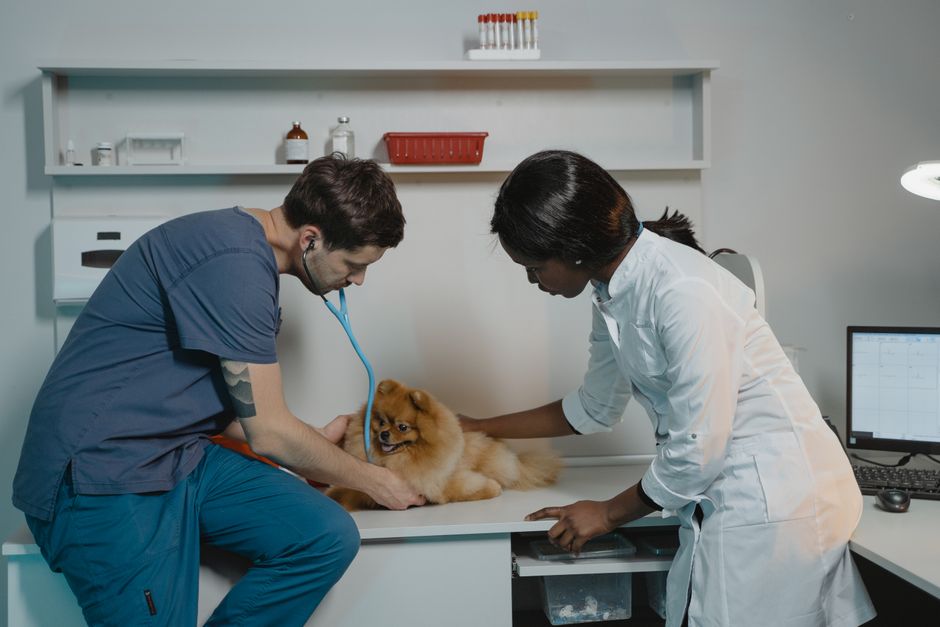
When you schedule a spring visit at a greenfield veterinary clinic like Town & Country Animal Hospital - Small & Large Animal Care, our veterinarians tailor care to the needs of each species and situation. For companion animals, a spring comprehensive pet exam typically includes a thorough physical assessment, parasite screening, and conversations about seasonal allergies or weight management as activity levels change. During these visits, our veterinary professionals may recommend wellness examinations or comprehensive pet exams to catch issues early and set up a preventive care plan for the months ahead.
For livestock operations, our team emphasizes herd health assessments, vaccination updates, and parasite control protocols suited to the spring environment. In young animals born this season, we focus on monitoring for neonatal diseases, ensuring proper nutrition, and providing guidance on biosecurity to minimize disease introduction from wildlife or new stock. Horses benefit from routine soundness exams, dental checks, and evaluation of hoof health as they transition out of winter housing.
Diagnostic capabilities such as in-house labs for urgent results and digital radiography allow us to rapidly assess both pets and farm animals, supporting timely treatment decisions. Our goal is to partner with you to keep your animals healthy, productive, and comfortable as spring unfolds.
Springtime Prevention and Home/Farm Care Strategies
Taking preventive action is essential for all animal owners during the spring. For pet owners, steps include administering veterinarian-recommended flea, tick, and heartworm preventives, keeping lawns mowed to reduce tick habitats, and wiping down paws after outdoor play to minimize allergen exposure. Regular grooming helps remove loose fur and spot skin issues early.
For livestock producers, spring is prime time to implement a deworming program based on fecal egg count results, rotate pastures to reduce parasite loads, and ensure that calving or lambing areas are clean and dry. Keeping feed and water sources uncontaminated and monitoring the body condition of cows, ewes, or does as they nurse young animals can make a significant difference in herd health. It is also important to inspect fences and facilities after winter weather to ensure safe containment.
Horse owners should transition animals onto lush pasture gradually to avoid digestive upset, schedule a dental float if needed, and maintain regular farrier visits as footing conditions change. Across all species, spring is the right time to review and update vaccination schedules. Our team offers pet vaccinations for dogs, cats, and appropriate immunizations for livestock and horses to safeguard against diseases prevalent in the warmer months.
When to Seek Veterinary Care for Spring Issues
Knowing when to call your veterinary clinic can make all the difference in animal outcomes. For pets, sudden lethargy, persistent itching, difficulty breathing, or evidence of tick bites should prompt a call to your veterinarian. Dogs and cats that exhibit coughing, weight loss, or increased thirst may need screening for heartworm or other seasonal diseases.
For producers, key warning signs in livestock include scours (diarrhea) in calves or lambs, labored breathing, lameness, or unexplained deaths within the herd or flock. Horses that develop heat in the hooves, show reluctance to move, or experience rapid changes in body condition should be examined promptly. If you notice any of these concerns, do not delay in reaching out for professional evaluation.
Town & Country Animal Hospital - Small & Large Animal Care encourages all animal owners and producers to schedule regular checkups and contact our veterinary team at the first sign of trouble. Prompt intervention can prevent minor issues from escalating into major health or production problems.
Supporting All Species: A Mixed-Animal Approach to Spring Wellness
At Town & Country Animal Hospital - Small & Large Animal Care, we believe that every animal—whether it lives in your home, barn, or pasture—deserves individualized, compassionate care. Our veterinarians are experienced in supporting the unique needs of pets, livestock, horses, and even exotics. This means we adapt our spring wellness protocols to fit each animal’s lifestyle, risk factors, and environment.
Whether you are worried about emerging tick populations on your property, need advice on calf management during unpredictable weather, or want to ensure your cat’s allergy symptoms are under control, our greenfield veterinary clinic is your trusted partner in animal health. We serve Greenfield and surrounding communities with a full range of diagnostic, preventive, and treatment services designed for the diverse animals in our care.
Ready for Spring? Contact Your Greenfield Veterinary Clinic Today
Spring is a season of growth, but it also requires vigilance and proactive care to keep animals thriving. By recognizing early warning signs, understanding seasonal risks, and working with your veterinary team to implement preventive strategies, you can help your pets, livestock, and horses enjoy a healthy transition into warmer months. Our team at Town & Country Animal Hospital - Small & Large Animal Care is here to support you—whether you need to schedule a spring wellness examination, update vaccination services, or get rapid answers with our in-house labs for urgent results.
If you are searching for a veterinarian near me who understands both companion and production animal needs in Greenfield, look no further than our greenfield veterinary clinic. To schedule an appointment or learn more about our mixed-animal services, call (317) 326-1212 or visit our convenient location at 2874 North 400 East, Greenfield, IN 46140. Our veterinary professionals are ready to help you and your animals make the most of spring—today and every season.
This article is for informational purposes only. For specific medical advice or emergencies, please contact your veterinarian directly.