
What to Expect From a Greenfield Vet Visit in Winter

What to Expect From a Greenfield Vet Visit in Winter
As winter settles into Greenfield and the temperatures dip, pet owners often find themselves worrying about how the cold, damp months may affect their animals’ health. Whether you are caring for a playful puppy, an aging cat, a robust farm animal, or an exotic pet, you want reassurance that your companion is protected from seasonal hazards. At Town & Country Animal Hospital - Small & Large Animal Care, located at 2874 North 400 East, Greenfield, IN 46140, our team of experienced veterinarians understands the unique challenges that winter brings for pets in Greenfield and surrounding communities. This blog will walk you through what to expect from a Greenfield vet visit during the winter months, how our comprehensive approach can help keep your pet healthy, and why seasonal check-ups are essential for small, large, and exotic animals alike. We will discuss the signs of winter-related health issues, explain what causes them, outline tailored treatments, and share preventive advice so you can feel confident in your pet’s care all season long. If you are seeking a trusted greenfield vet to support your animal’s health this winter, you are in the right place.
Recognizing Winter Health Issues in Your Pet
Winter brings a host of environmental changes that can impact animals. Pet owners in Greenfield might notice that their pets become less active, develop dry skin, or experience a change in appetite as the weather turns colder. Key symptoms to watch for include shivering, lethargy, reluctance to go outdoors, limping after walks, flaky or irritated skin, and sneezing or coughing. For large animals such as horses or livestock, you might observe stiff joints, reduced water intake, or behavioral changes. Exotic pets, like reptiles or birds, can be particularly sensitive to temperature fluctuations and drafts, which may result in decreased activity or eating. If your pet is showing any of these signs, it may be an indication that winter is affecting their health.
Sometimes, these symptoms can be subtle. For example, a dog that hesitates to go outside may be experiencing joint discomfort from the cold, while a cat that is grooming excessively could be dealing with dry, itchy skin caused by low indoor humidity. In farm animals, symptoms like huddling together, decreased feed consumption, or slower movement can signal that they are feeling the effects of the cold. Exotic pets may hide more often or become less responsive if their environment is not adequately heated. By being attentive to these changes, you can help ensure your pet receives timely care from your greenfield vet.
Why Do Pets Experience More Health Challenges in Winter?
The winter season in Greenfield brings temperature drops, icy conditions, and shorter daylight hours, all of which can create health risks for animals. Cold air can exacerbate conditions such as arthritis or respiratory issues, especially in senior pets or those with pre-existing illnesses. Dry indoor heating can lead to dehydrated skin and itchy coats. For large animals, frozen water sources and icy footing can make it difficult to maintain regular routines, leading to stiffness or increased risk of injury. Exotic pets, which often require carefully regulated environments, may be at risk if their heat sources fail or if drafts lower the ambient temperature in their enclosures.
Additionally, outdoor pets or those spending significant time outside may be exposed to antifreeze, salt, or ice-melting chemicals, all of which are potentially toxic. Limited exercise due to icy sidewalks or muddy paddocks can result in weight gain and stress. Even indoor pets may be affected by increased time spent in dry, heated air, leading to respiratory irritation or skin problems.
Understanding these factors helps pet owners and veterinarians in Greenfield develop effective winter care strategies. Regular veterinary visits are essential to monitor for changes in health and to catch early warning signs before problems escalate. Our team at Town & Country Animal Hospital - Small & Large Animal Care is here to guide you through the unique winter risks your pet may face.
What Happens During a Winter Vet Visit in Greenfield?
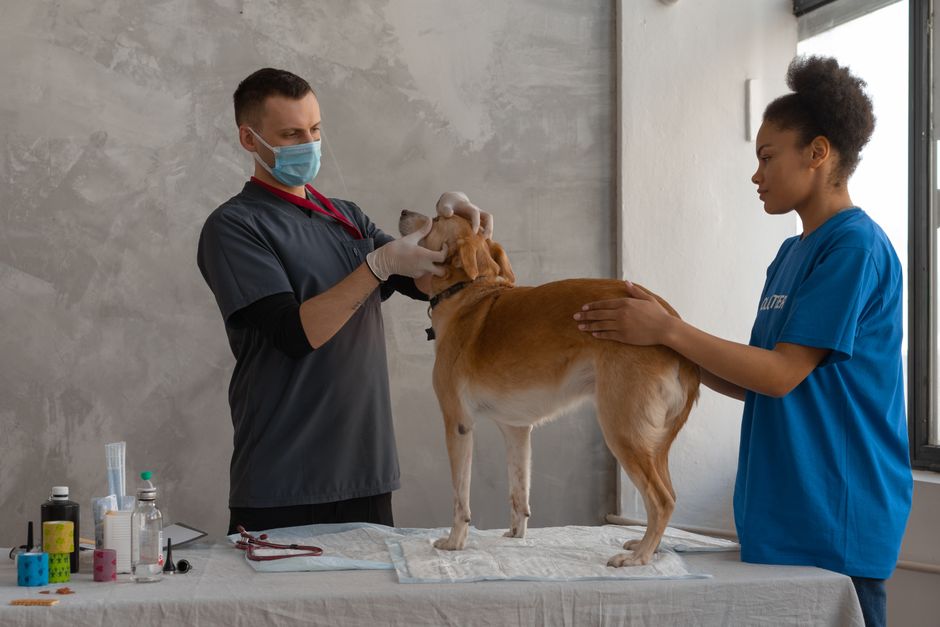
When you schedule a winter check-up with your greenfield vet, you can expect a thorough, compassionate assessment designed to address the season’s specific challenges. During your visit to our clinic at 2874 North 400 East, Greenfield, IN 46140, our veterinary team will begin with a detailed health history and a physical examination tailored to your animal’s age, species, and lifestyle.
For small animals like dogs and cats, we focus on checking skin and coat condition, joint flexibility, weight, and dental health, along with a review of respiratory and cardiac function. If your pet has a chronic condition such as arthritis, we may recommend adjustments to their pain management plan or discuss therapies like laser therapy that can help reduce inflammation and discomfort during the colder months.
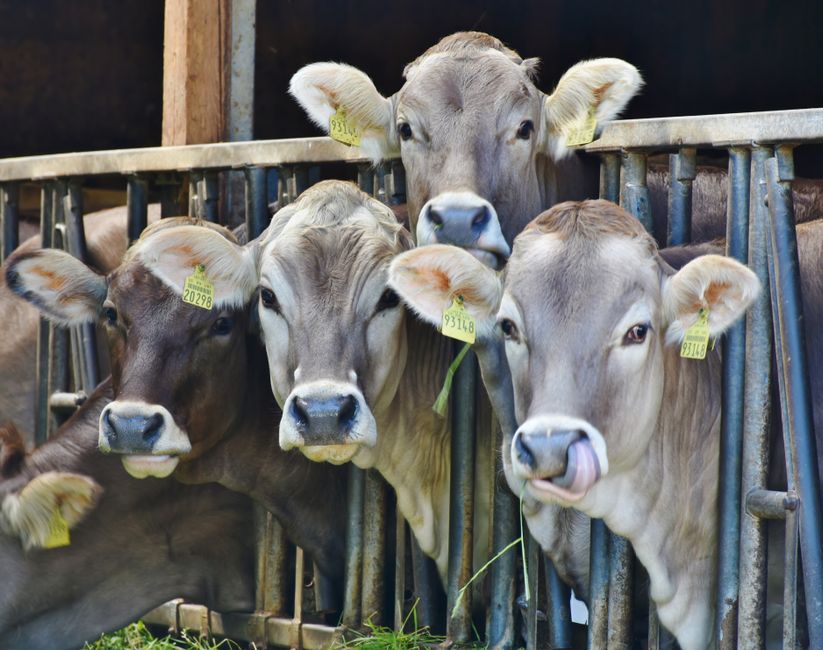
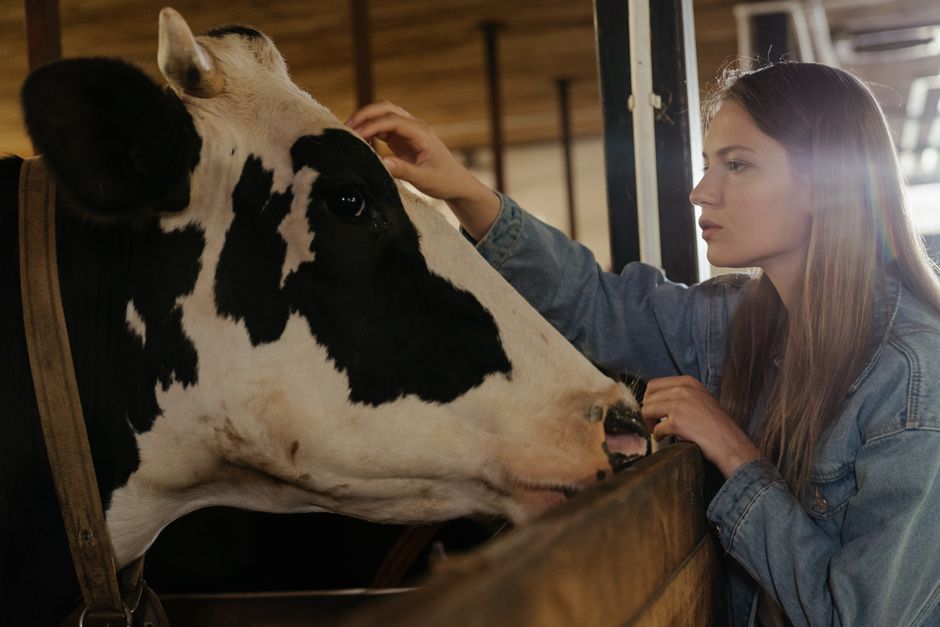
Large animals receive a comprehensive physical assessment that includes checking for lameness, hoof condition, and signs of respiratory or digestive issues. Our veterinarians may also discuss how to adjust feeding routines and shelter arrangements for optimal winter comfort.
Exotic pets are evaluated for appropriate temperature and humidity in their living environments, as well as signs of stress, malnutrition, or dehydration that can develop quickly in cold weather. We offer guidance on maintaining proper habitat conditions to keep these sensitive animals thriving.
In addition to the physical exam, we may recommend diagnostic tests using our in-house labs for urgent results if your pet shows any concerning symptoms. This allows us to detect underlying issues promptly, so we can tailor treatment plans to your animal’s specific needs.
Seasonal Vaccinations and Preventive Care: Protecting Pets Year-Round
Winter does not mean a break from preventive veterinary care; in fact, some risks increase during the colder months. Vaccination schedules should be maintained or updated as needed, since infectious diseases can still spread among indoor and outdoor animals. Our veterinary professionals may recommend pet vaccinations to protect against illnesses that are prevalent during winter or as part of your animal’s annual health plan.
Routine check-ups, such as a semi-annual comprehensive exam, are also important for monitoring ongoing health and catching subtle changes that might indicate a developing problem. Dental care is another crucial element, as pets can experience changes in eating habits due to tooth pain or gum issues, which may worsen in colder temperatures. Addressing dental health during your winter visit helps prevent complications and improves your pet’s overall well-being.
Our team will discuss parasite prevention, as certain pests like fleas may remain active indoors even when it is cold outside. For large animals, vaccinations and routine health checks ensure that herds remain healthy and productive throughout the winter.
Home Care Tips to Keep Your Pet Comfortable This Winter
While professional veterinary care is vital, there are several steps you can take at home to help your pet thrive during the winter. Ensuring your pet has a warm, dry, draft-free place to rest is essential, whether indoors or in a well-insulated outdoor shelter. Regular grooming keeps coats healthy and helps you spot early signs of dryness or irritation. Moisturizing shampoos or veterinarian-recommended skin treatments can soothe dry, flaky skin.
For dogs and cats, adjusting their exercise routines to include more indoor play or shorter, more frequent walks can help prevent weight gain and boredom. Wiping your pet’s paws after walks removes salt, ice, and chemicals that can cause irritation or toxicity. Providing extra bedding and ensuring access to unfrozen water are key for large animals.
Exotic pets need stable temperatures and humidity; regularly check heating elements and thermometers in their enclosures. If you notice your pet acting differently or struggling to stay warm, reach out to your greenfield vet for advice.
Keep in mind that sudden changes in your pet’s behavior, eating habits, or energy levels may signal a problem. Prompt attention can make a significant difference in your pet’s recovery and comfort.
When Should You Call Your Greenfield Vet?
Knowing when to seek veterinary care is just as important as home management. It is time to call your veterinarian if your pet shows persistent symptoms such as shivering, coughing, limping, or refuses food and water. For large animals, difficulty standing, reduced milk production, or unusual vocalizations should prompt a call. Exotic pets that stop eating, become lethargic, or display abnormal hiding behavior may require urgent attention.
Some situations, such as suspected exposure to antifreeze, ingestion of ice-melting products, or signs of frostbite, demand immediate veterinary assessment. Winter can also worsen chronic conditions like arthritis or respiratory disease; if your pet’s symptoms are not improving with home care, a visit to your greenfield vet is essential.
Our veterinary team at Town & Country Animal Hospital - Small & Large Animal Care is equipped to diagnose and treat a wide range of winter illnesses and injuries. We encourage you to schedule an appointment if you are ever unsure about your pet’s symptoms or if you notice any sudden changes in their health.
Trust Your Greenfield Vet for Year-Round Pet Wellness
Winter in Greenfield presents unique challenges for animals of all types; however, with attentive care from your local veterinary professionals, your pet can stay happy and healthy throughout the season. By recognizing early signs of winter-related health problems, understanding their causes, and seeking timely professional care, you are taking important steps to protect your animal companions. Routine winter check-ups at Town & Country Animal Hospital - Small & Large Animal Care include comprehensive exams, preventive vaccinations, and personalized recommendations to keep your pet safe from seasonal hazards.
If you are searching for a reliable vet near me or want to ensure your pet receives the best possible winter care, we invite you to schedule a visit with our team. Contact us at (317) 326-1212 or visit our website to learn more about our services and how we support pets in Greenfield and surrounding communities. Your animal’s comfort and health are our top priorities this winter and every season.
This article is intended for informational purposes only and does not replace professional veterinary advice. Always consult your veterinarian for specific concerns about your pet’s health.