Why Choose a Greenfield Vet for All Your Animals
Why Choose a Greenfield Vet for All Your Animals
Whether you are a devoted pet owner, a livestock producer, or an exotic animal enthusiast, finding a trustworthy veterinary partner in your community can make all the difference for your animals’ health and your own peace of mind. At Town & Country Animal Hospital - Small & Large Animal Care, our team of experienced veterinarians in Greenfield, IN understands the unique needs of families, producers, and animal owners throughout Greenfield and the surrounding communities. Choosing a local greenfield vet means you have access to comprehensive veterinary care for your dog, cat, herd, flock, horse, or exotic pet—all under one roof. In this blog, we’ll explore why relying on a local Greenfield veterinary team is the best choice for your animals, how our mixed animal practice supports you year-round, and what to expect from a clinic that truly understands the diverse animal population of Hancock County.
You will learn how to recognize when your animals need veterinary attention, what causes common health concerns across species, how our clinic approaches treatment and preventive care, and the difference a local, relationship-based practice can make. We will also highlight specialized services like comprehensive pet examinations and in-house diagnostics that set Town & Country Animal Hospital apart as a trusted greenfield vet for every animal in your care.
Recognizing When Your Animals Need a Greenfield Vet
Every animal, from beloved house cats to cattle herds, benefits from attentive monitoring and prompt veterinary care. Because Town & Country Animal Hospital is a mixed animal practice, our veterinary team is trained to help you recognize signs of illness or distress in both companion animals and livestock.
For pet owners, symptoms that warrant a call to your greenfield vet include changes in eating or drinking habits, persistent vomiting or diarrhea, coughing, sneezing, unexplained weight loss, bad breath, and visible discomfort. Additionally, sudden changes in behavior, excessive scratching, or difficulty walking may indicate an underlying health issue.
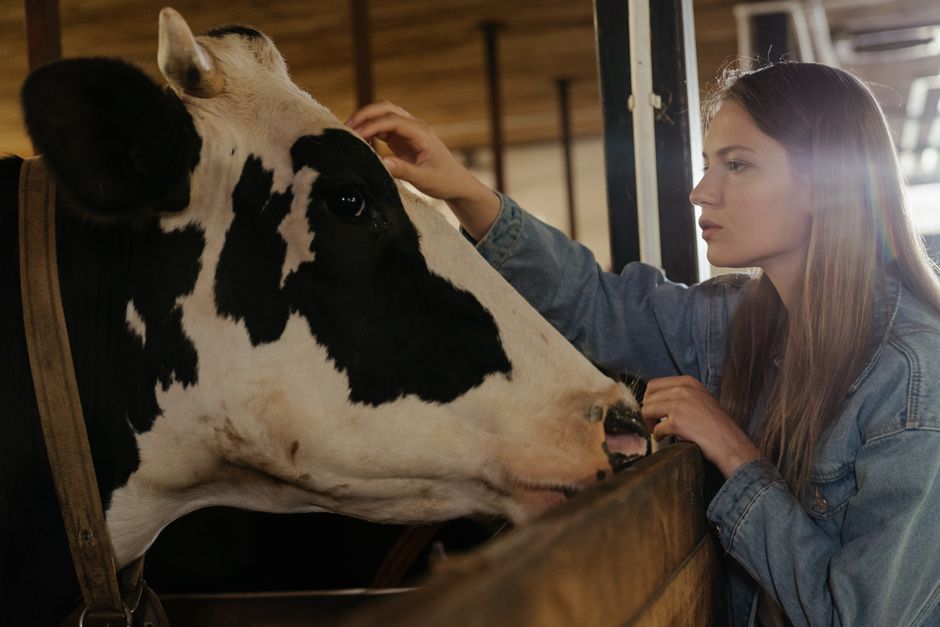
Producers and livestock owners should watch for signs such as decreased feed intake, lameness, coughing or nasal discharge, changes in body condition score, abnormal manure, and signs of calving or lambing difficulty. Horses may show problems such as reluctance to move, changes in gait, colic symptoms, or dental issues like dropping feed.
Exotic animal owners should be vigilant for changes in activity, abnormal posture, changes in skin or feather condition, or appetite loss. Because exotic species often hide illness until late in the process, even subtle changes can be significant.
No matter the species, if you notice these warning signs or anything that seems unusual for your animal, it is time to schedule an appointment with your greenfield vet for a thorough evaluation.
What Causes Common Health Issues in Companion Animals, Livestock, and Exotics
Animals in our region face a variety of health risks, many of which are shaped by their environment, lifestyle, and species-specific factors. Understanding common causes of illness can help you make informed decisions and work proactively with your veterinary team.
In dogs and cats, dental disease, obesity, parasites, and infectious diseases like parvovirus or feline leukemia are frequent concerns. These issues often develop over time due to diet, lack of preventive care, or exposure to other animals. Routine preventive services such as vaccination and dental cleanings are crucial for minimizing risk.
For livestock producers, herd health challenges such as respiratory disease, reproductive issues, parasite burdens, and nutritional imbalances can significantly impact both animal wellbeing and operational profitability. Regional factors such as Indiana’s variable weather, pasture quality, and seasonal calving or lambing cycles also play a role in herd health.
Horse owners in Greenfield face their own set of challenges, including colic, lameness, dental overgrowth, and seasonal concerns like fly irritation or winter water intake. Preventive farrier care, regular soundness exams, and attention to nutrition help keep horses thriving.
Exotic pets are especially sensitive to husbandry factors such as diet, temperature, humidity, and enclosure design. Improper care can lead to metabolic bone disease, respiratory infections, or behavioral problems.
By understanding these underlying causes, you can work with your greenfield vet to develop a health plan tailored to each animal’s needs.
How a Greenfield Vet Approaches Treatment and Care for All Species
At Town & Country Animal Hospital - Small & Large Animal Care, our veterinarians provide a full spectrum of general veterinary services for every animal that walks through our doors—or arrives in your trailer. We combine advanced medical technology with compassionate, species-specific care.
Comprehensive Examinations and Diagnostics
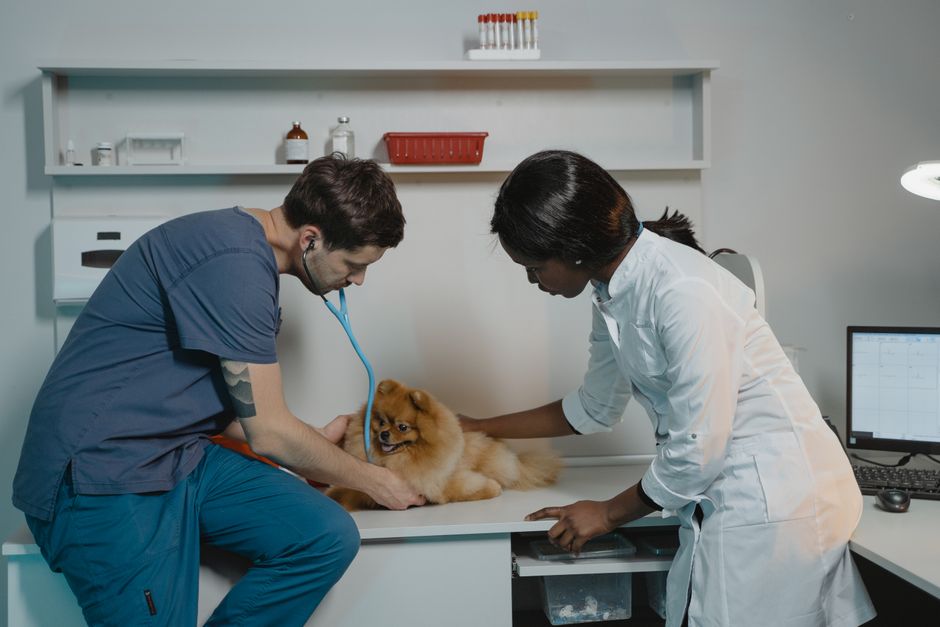
Whether you are bringing in your dog for an annual exam or need a herd health check for your cattle, regular evaluations are the foundation of effective veterinary medicine. Our team performs thorough physical exams and recommends age- and species-appropriate screening tests. For pets and exotics, a comprehensive pet examination is a key step in early detection of disease. For herds and horses, routine evaluations help catch issues before they affect productivity or performance.
Our in-house diagnostic laboratory and digital radiography services allow us to quickly diagnose everything from internal injuries to metabolic disorders, reducing wait times for results and enabling faster, more accurate treatment decisions.
Medical, Surgical, and Preventive Services
Our clinic offers a wide range of services, including spay and neuter surgery, dental cleanings, extractions, soft tissue procedures, and laser therapy for pain relief. For livestock and horses, we provide reproductive evaluations, hoof care guidance, and management consultations tailored to the needs of your operation or stable. For exotic pets, we offer husbandry counseling and medical support specific to their species.
Vaccination protocols, parasite control programs, and nutrition counseling are developed based on the latest veterinary research and adapted to the unique challenges of life in Greenfield. Producers benefit from herd vaccination plans and biosecurity recommendations, while pet owners receive reminders about annual boosters and heartworm prevention.
When advanced care is needed, such as dental repairs or ear surgery, our veterinary team is equipped with the training and technology to perform these procedures safely and effectively.
Ongoing Support and Education
Our role as your greenfield vet goes beyond treating illness. We aim to build lasting relationships with our clients—whether you are a first-time puppy owner, a seasoned producer, or someone caring for reptiles or birds. We provide ongoing education about preventive care, disease risks, and seasonal considerations so you feel confident making decisions for your animals.
Preventive Care and Home Management for Every Animal
Proactive health management is key to keeping all animals healthy and minimizing costly interventions down the road. Here’s how preventive care is tailored to each group:
For dogs and cats, regular wellness exams, vaccinations, dental cleanings, and parasite prevention are essential. Monitoring your pet’s weight, behavior, and appetite at home allows you to spot problems early. Consistent dental care, including pet dental cleanings, helps prevent oral disease and discomfort.
Livestock producers can maximize herd health by scheduling routine evaluations, maintaining proper nutrition, monitoring body condition scores, and keeping up with vaccination and deworming protocols. Paying attention to seasonal management—such as adjusting feed during winter or preparing for calving season—reduces risk and supports productivity.
Horse owners should focus on regular soundness exams, dental floats, farrier appointments, and vaccinations. Monitoring for early signs of colic or lameness, providing clean water, and managing pasture quality are critical parts of equine preventive care.
Exotic animal owners can prevent many health issues by optimizing housing, diet, and environmental conditions. Regular checkups with a veterinarian experienced in exotic species can address subtle health changes before they become severe.
By investing in preventive care and maintaining a close relationship with your greenfield vet, you can ensure the long-term wellbeing of all your animals.
When to Schedule Veterinary Care—Knowing When Professional Help Is Needed
Prompt veterinary care can make all the difference when your animal’s health is at stake. For companion animals, you should call your veterinarian if your pet is lethargic, refusing food, has vomiting or diarrhea that lasts more than a day, or shows signs of pain.
Producers should contact the clinic if they observe sudden changes in herd behavior, unexplained deaths, outbreaks of illness, reproductive problems, or lameness that affects multiple animals. Early intervention can help control disease spread and minimize losses.
Horse owners are encouraged to seek veterinary attention for acute lameness, signs of colic, wounds, or dental problems such as difficulty chewing. Quick response is especially important for colic or sudden injuries.
For exotics, any change in eating, droppings, posture, or activity level should prompt a call, as these animals can deteriorate rapidly without visible warning.
If you are ever unsure whether your animal’s symptoms are serious, our veterinary team is always available to provide guidance and help you decide whether an in-person visit is needed. Timely care from a greenfield vet can prevent complications and improve outcomes for animals of all species.
The Value of Choosing a Local Greenfield Vet for All Your Animals
There are significant advantages to building a relationship with a mixed animal practice rooted in your own community. As a Greenfield-based clinic, Town & Country Animal Hospital - Small & Large Animal Care understands the unique challenges of our region—from seasonal health threats to local agricultural practices.
Our veterinarians know the animal populations, climate, and management practices that influence health in Greenfield and the surrounding communities. Whether you need routine care, urgent diagnostics, or specialized guidance for a new species, you can trust our team to deliver compassionate, knowledgeable service.
Because we serve a diverse clientele, you benefit from a clinic that is prepared to support every animal in your life. This means no more traveling to multiple clinics or searching for exotic care far from home. Our goal is to be your trusted partner in animal health for years to come.
Ready for Comprehensive Care? Contact Your Greenfield Vet Today
Your animals deserve the highest standard of veterinary care—whether they share your home, barn, or pasture. At Town & Country Animal Hospital - Small & Large Animal Care, our veterinary team is committed to supporting pet owners, livestock producers, horse owners, and exotic animal enthusiasts throughout Greenfield and neighboring areas. From preventive services and advanced diagnostics to guidance on nutrition and herd health, we offer everything you need under one roof.
If you are searching for a reliable "vet near me" in Hancock County, we invite you to schedule an appointment at our clinic conveniently located at 2874 North 400 East, Greenfield, IN 46140. To learn more about our services, such as comprehensive pet examinations or digital radiography, or to discuss your animal’s specific needs, call us at (317) 326-1212. Our friendly front desk team will help you schedule a convenient time for your visit.
Choosing a local greenfield vet means choosing a veterinary partner who is as invested in your animals’ health as you are. Whether you have pets, livestock, horses, or exotics, our veterinary professionals are here to help you every step of the way. Reach out today and experience the difference of caring, comprehensive veterinary medicine close to home.